
Security Affairs
Two Barracuda ESG Flaws Could Be Combined for Full Root Access; Patches Released|Cyberattack Hits French Blood Banks as Hackers Target Refrigeration Systems Across Europe|CVE-2026-58868: Critical Android Bug Could Let Attackers Run Remote Code|U.S. CISA adds WordPress flaw to its Known Exploited Vulnerabilities catalog|Binance Hack: How Fake Job Interviews and AI Abuse Led to a $6.34 Billion Attack|Synology Warns of Ransomware Attacks Targeting NAS Devices Running Outdated DSM Versions|Inside XCPE, the botnet that turned 1.3M set-top boxes into proxy servers|NIS2 Makes Board Members Personally Liable for Access Control Decisions|Apple’s spyware notifications reach the Bundestag: what the BSI says to do now|VOLTA, the infostealer that asks an AI which victims are worth the effort|New wave of fridge cyberattacks hits European supermarkets, this time in Belgium, Luxembourg, Sweden and Estonia|Hackers Send Fake Nuclear Threat Alerts to Ukrainian and Russian Citizens|Two Barracuda ESG Flaws Could Be Combined for Full Root Access; Patches Released|Cyberattack Hits French Blood Banks as Hackers Target Refrigeration Systems Across Europe|CVE-2026-58868: Critical Android Bug Could Let Attackers Run Remote Code|U.S. CISA adds WordPress flaw to its Known Exploited Vulnerabilities catalog|Binance Hack: How Fake Job Interviews and AI Abuse Led to a $6.34 Billion Attack|Synology Warns of Ransomware Attacks Targeting NAS Devices Running Outdated DSM Versions|Inside XCPE, the botnet that turned 1.3M set-top boxes into proxy servers|NIS2 Makes Board Members Personally Liable for Access Control Decisions|Apple’s spyware notifications reach the Bundestag: what the BSI says to do now|VOLTA, the infostealer that asks an AI which victims are worth the effort|New wave of fridge cyberattacks hits European supermarkets, this time in Belgium, Luxembourg, Sweden and Estonia|Hackers Send Fake Nuclear Threat Alerts to Ukrainian and Russian Citizens|
Advertisement

Ad Placeholder

Full Width × 90

Breaking News

Experts warn of the new 0mega ransomware operation

BleepingComputer reported a new ransomware operation named 0mega that is targeting organizations worldwide. 0mega is a new ransomware operation that is targeting organizations worldwide using a double-extortion model, BleepingComputer reported. The ransomware operation has been active at least since May 2022 and already claimed to have breached multiple organizations. Victims of the ransomware reported that […]

0mega ransomware

BleepingComputer reported a new ransomware operation named 0mega that is targeting organizations worldwide.

0mega is a new ransomware operation that is targeting organizations worldwide using a double-extortion model, BleepingComputer reported.

The ransomware operation has been active at least since May 2022 and already claimed to have breached multiple organizations.

Victims of the ransomware reported that the malware adds the .0mega extension to the encrypted file’s names and creates for each victim a customized ransom note named DECRYPT-FILES.txt.

The operators behind this ransomware in some cases included in the ransom note details on how to disclose the attack to business partners and trade associations in case the victim will not pay the ransom.

0mega ransomware
Source https://id-ransomware.blogspot.com/2022/05/0mega-ransomware.html

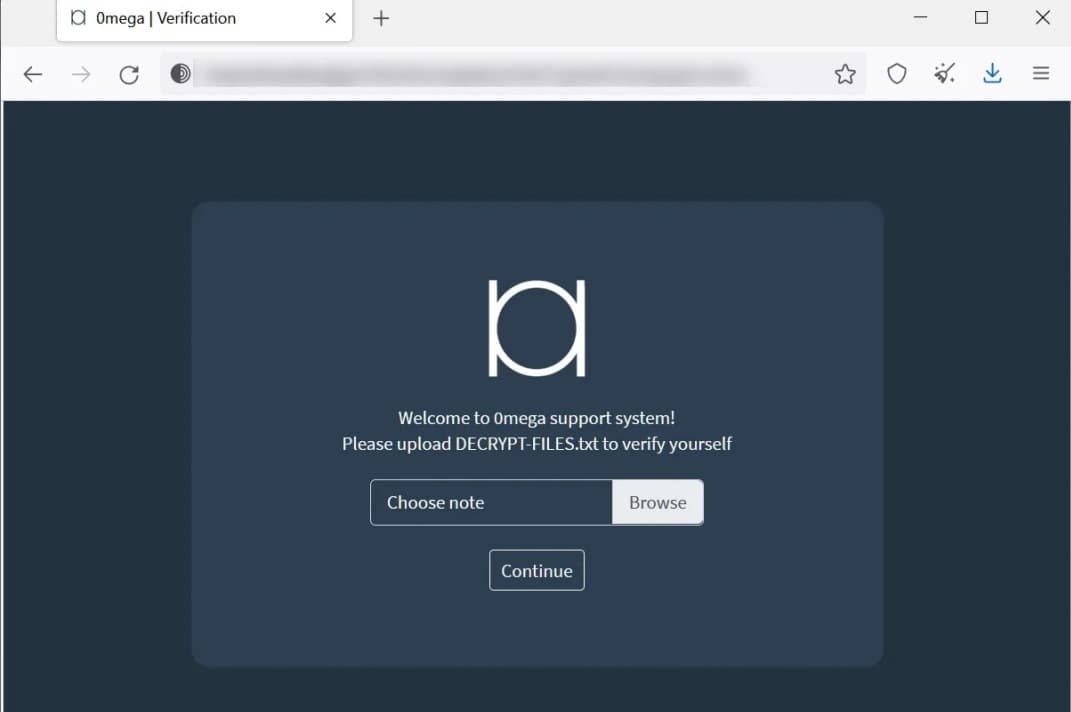
Like other ransomware gangs, the operators use a payment negotiation site hosted on the Tor network.

Victims can contact the operators via the negotiation site by uploading the ransom note dropped on their systems, obviously the note includes a unique identifier.

The researchers Andrew Ivanov, who worked with Lawrence Abrams, published a blog post that includes details about the ransomware.

BleepingComputer confirmed that at the time of their report, the researchers have yet to find a 0mega sample.

Follow me on Twitter: @securityaffairs and Facebook

[adrotate banner=”9″][adrotate banner=”12″]

Pierluigi Paganini

(SecurityAffairs – hacking, ransomware)

[adrotate banner=”5″]

[adrotate banner=”13″]


