
Security Affairs
Cyberattack Hits French Blood Banks as Hackers Target Refrigeration Systems Across Europe|CVE-2026-58868: Critical Android Bug Could Let Attackers Run Remote Code|U.S. CISA adds WordPress flaw to its Known Exploited Vulnerabilities catalog|Binance Hack: How Fake Job Interviews and AI Abuse Led to a $6.34 Billion Attack|Synology Warns of Ransomware Attacks Targeting NAS Devices Running Outdated DSM Versions|Inside XCPE, the botnet that turned 1.3M set-top boxes into proxy servers|NIS2 Makes Board Members Personally Liable for Access Control Decisions|Apple’s spyware notifications reach the Bundestag: what the BSI says to do now|VOLTA, the infostealer that asks an AI which victims are worth the effort|New wave of fridge cyberattacks hits European supermarkets, this time in Belgium, Luxembourg, Sweden and Estonia|Hackers Send Fake Nuclear Threat Alerts to Ukrainian and Russian Citizens|Chainalysis Investigates Security Incident Involving AI-Driven Attack Techniques|Cyberattack Hits French Blood Banks as Hackers Target Refrigeration Systems Across Europe|CVE-2026-58868: Critical Android Bug Could Let Attackers Run Remote Code|U.S. CISA adds WordPress flaw to its Known Exploited Vulnerabilities catalog|Binance Hack: How Fake Job Interviews and AI Abuse Led to a $6.34 Billion Attack|Synology Warns of Ransomware Attacks Targeting NAS Devices Running Outdated DSM Versions|Inside XCPE, the botnet that turned 1.3M set-top boxes into proxy servers|NIS2 Makes Board Members Personally Liable for Access Control Decisions|Apple’s spyware notifications reach the Bundestag: what the BSI says to do now|VOLTA, the infostealer that asks an AI which victims are worth the effort|New wave of fridge cyberattacks hits European supermarkets, this time in Belgium, Luxembourg, Sweden and Estonia|Hackers Send Fake Nuclear Threat Alerts to Ukrainian and Russian Citizens|Chainalysis Investigates Security Incident Involving AI-Driven Attack Techniques|
Advertisement

Ad Placeholder

Full Width × 90

Breaking News

Attunity data leak: Netflix, Ford, TD Bank data exposed by Open AWS Buckets

Attunity data integration and big data management firm exposed a significant amount of sensitive data through unprotected Amazon S3 buckets. Data integration and big data management firm Attunity exposed a significant amount of sensitive data through unprotected Amazon S3 buckets. The company, owned by Qlik, provides solutions to over 2,000 enterprises and half of the […]

netflix attunity

Attunity data integration and big data management firm exposed a significant amount of sensitive data through unprotected Amazon S3 buckets.

Data integration and big data management firm Attunity exposed a significant amount of sensitive data through unprotected Amazon S3 buckets.

The company, owned by Qlik, provides solutions to over 2,000 enterprises and half of the Fortune 100 firms.

The data leak was discovered on May 13 by a researcher at cyber resilience company UpGuard that found three unprotected AWS cloud storage buckets belonging to Attunity.

“An UpGuard researcher discovered three publicly accessible Amazon S3 buckets related to Attunity. Of those, one contained a large collection of internal business documents. The total size is uncertain, but the researcher downloaded a sample of about a terabyte in size, including 750 gigabytes of compressed email backups.” reads the post published by Upguard. “Backups of employees’ OneDrive accounts were also present and spanned the wide range of information that employees need to perform their jobs: email correspondence, system passwords, sales and marketing contact information, project specifications, and more.”

The buckets contained a vast amount of data, the expert downloaded a terabyte for analysis. The huge trove of data contained email backups, business documents, and employee OneDrive account backups (containing emails, passwords, project specifications, and marketing and sales contact information), and customer-related information.

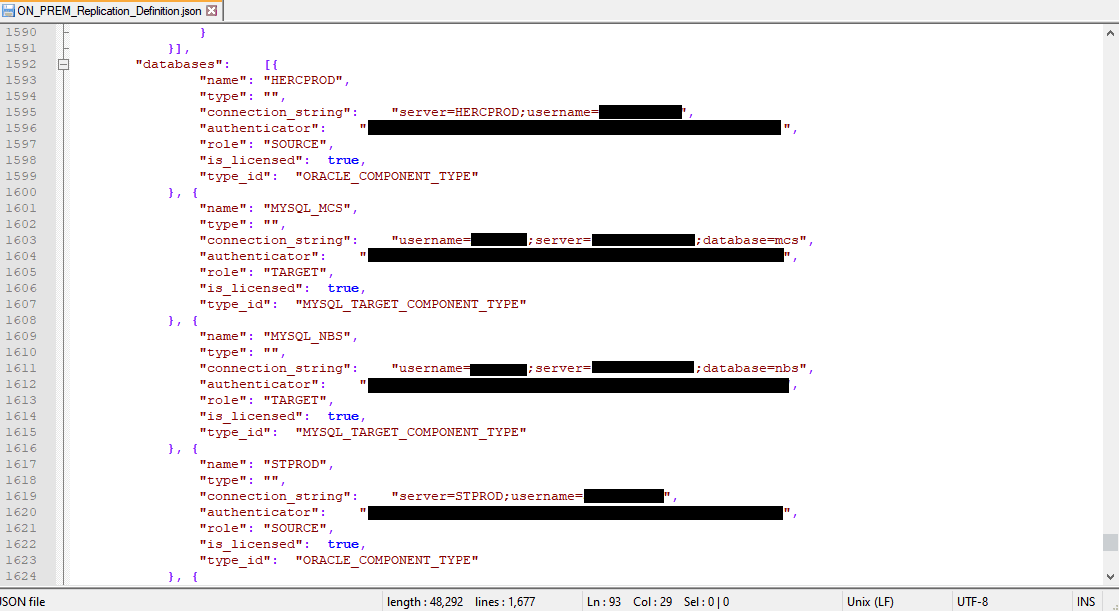
UpGuard shared as proof of the leak a Netflix database authentication strings, an invoice for a TD Bank software update, and slides describing a project for Ford.

Researchers also found credentials for Attunity systems and its official Twitter account, and an employee personal information (names, salary, date of birth, and employee ID numbers).

Some of the files are dated back September 2014, while other documents were uploaded a few days prior to the expert at UpGuard’s discovery the AWS buckers. at the time of writing its unclear how long data remained exposed online. UpGuard reported its discovery to Attunity on May 16, and the company quickly secured the buckets.

“The chain of events leading to the exposure of that data provides a useful lesson in the ecology of a data leak scenario. Users’ workstations may be secured against attackers breaking in, but other IT processes can copy and expose the same data valued by attackers.” concludes the company. “When such backups are exposed, they can contain a variety of data from system credentials to personally identifiable information. Data is not safe if misconfigurations and process errors expose that data to the public internet.”

[adrotate banner=”9″] [adrotate banner=”12″]

Pierluigi Paganini

(SecurityAffairs – Attunity, AWS buckets)

[adrotate banner=”5″]

[adrotate banner=”13″]


