
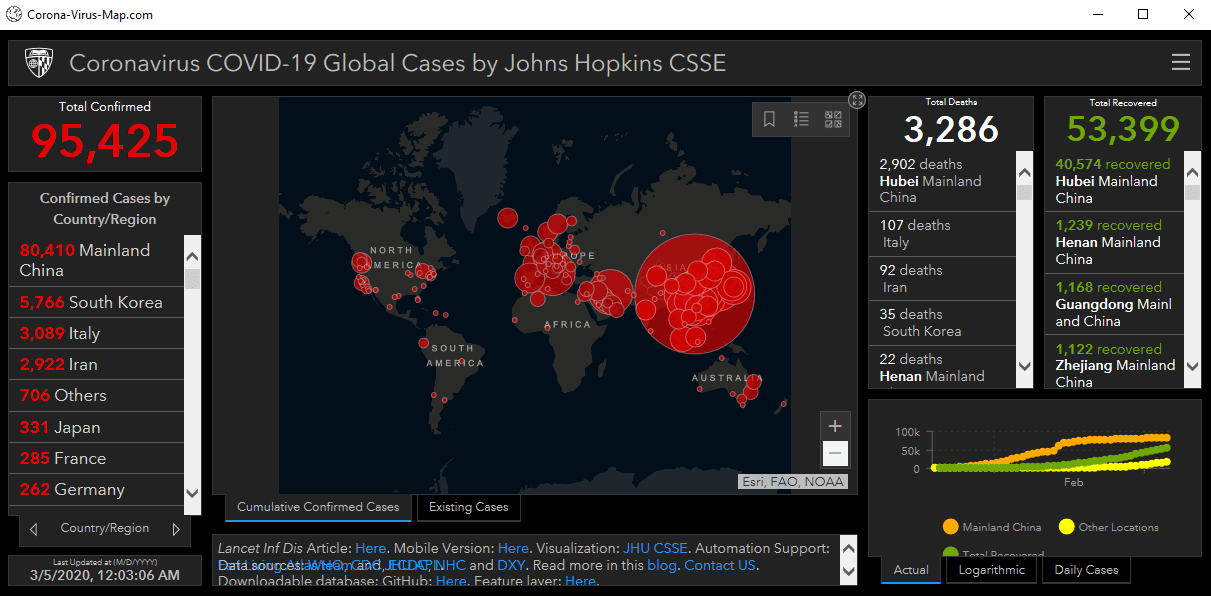
COVID-19 disinformation and misinformation campaigns continue to proliferate around the world, with potentially harmful consequences for society.
During a COVID-19 crisis, while most of the people have to maintain social distancing and work from home, threat cyber are attempting to conduct disinformation and misinformation campaigns.
The main difference between misinformation and disinformation is that the latter is the sharing of specially crafted incorrect information to influence the sentiment of individuals on specific topics. Misinformation is the practive of spreading inaccurate information, that is usually shared by unwitting parties with the belief that it is in fact correct.
The European External Action Service, the EU’s joint diplomatic and defense arm, recently published a report that warns of “a significant disinformation campaign by Russian state media and pro-Kremlin outlets regarding COVID-19 is ongoing.”
“Coordinated campaigns have been running across EU Member States and neighbouring regions, promoting false health information and disinformation about the EU and its partners, including from foreign state-controlled media and social media channels.” reads the report.
“Reports indicate that there are continued efforts at deflecting blame for the outbreak of the pandemic, involving both overt and covert tactics.
Analysis by EEAS Stratcom and external groups shows that highly harmful disinformation about COVID-19/Coronavirus is going particularly viral in smaller media markets within and outside the EU, where tech companies face lower incentives to take adequate counter-measures.”
According to the European External Action Service, the disinformation campaigns carried out by Russia-linked threat actors aim at creating confusion and spread fear to “aggravate the public health crisis in Western countries,” effectively muddling the European Union’s communication efforts in tackling the COVID-19 outbreak.
According to the Secretary of State Mike Pompeo, other countries are conducting disinformation campaigns, he explicitly accused China and Iran of utilizing disinformation campaigns to spread fear and confusion.
“there are coordinated efforts to disparage what America is doing.” said Pompeo.
Intelligence experts warn that nation-state actors are also spreading propaganda regarding the origin of the virus to cause the public to question leadership.
This week I had the opportunity to speak about COVID-19:Misinformation campaigns during pandemic at Indus Special with Meshal Malik

Please vote Security Affairs for European Cybersecurity Blogger Awards – VOTE FOR YOUR WINNERS
https://docs.google.com/forms/d/e/1FAIpQLSe8AkYMfAAwJ4JZzYRm8GfsJCDON8q83C9_wu5u10sNAt_CcA/viewform
| [adrotate banner=”9″] | [adrotate banner=”12″] |
(SecurityAffairs – Misinformation, Covid-19)
[adrotate banner=”5″]
[adrotate banner=”13″]


