
Security Affairs
CVE-2026-58868: Critical Android Bug Could Let Attackers Run Remote Code|U.S. CISA adds WordPress flaw to its Known Exploited Vulnerabilities catalog|Binance Hack: How Fake Job Interviews and AI Abuse Led to a $6.34 Billion Attack|Synology Warns of Ransomware Attacks Targeting NAS Devices Running Outdated DSM Versions|Inside XCPE, the botnet that turned 1.3M set-top boxes into proxy servers|NIS2 Makes Board Members Personally Liable for Access Control Decisions|Apple’s spyware notifications reach the Bundestag: what the BSI says to do now|VOLTA, the infostealer that asks an AI which victims are worth the effort|New wave of fridge cyberattacks hits European supermarkets, this time in Belgium, Luxembourg, Sweden and Estonia|Hackers Send Fake Nuclear Threat Alerts to Ukrainian and Russian Citizens|Chainalysis Investigates Security Incident Involving AI-Driven Attack Techniques|FBI Blames North Korea for $6 Billion Binance Crypto Theft|CVE-2026-58868: Critical Android Bug Could Let Attackers Run Remote Code|U.S. CISA adds WordPress flaw to its Known Exploited Vulnerabilities catalog|Binance Hack: How Fake Job Interviews and AI Abuse Led to a $6.34 Billion Attack|Synology Warns of Ransomware Attacks Targeting NAS Devices Running Outdated DSM Versions|Inside XCPE, the botnet that turned 1.3M set-top boxes into proxy servers|NIS2 Makes Board Members Personally Liable for Access Control Decisions|Apple’s spyware notifications reach the Bundestag: what the BSI says to do now|VOLTA, the infostealer that asks an AI which victims are worth the effort|New wave of fridge cyberattacks hits European supermarkets, this time in Belgium, Luxembourg, Sweden and Estonia|Hackers Send Fake Nuclear Threat Alerts to Ukrainian and Russian Citizens|Chainalysis Investigates Security Incident Involving AI-Driven Attack Techniques|FBI Blames North Korea for $6 Billion Binance Crypto Theft|
Advertisement

Ad Placeholder

Full Width × 90

Breaking News

Law enforcement arrested 31 suspects for stealing cars by hacking key fobs

An international law enforcement operation led by Europol disrupted a cybercrime ring focused on hacking wireless key fobs to steal cars. The French authorities in cooperation with their Spanish and Latvian peers, and with the support of Europol and Eurojust, have dismantled a cybercrime organization specializing in the theft of cars by hacking key fobs.  […]

key fobs cybercrime

An international law enforcement operation led by Europol disrupted a cybercrime ring focused on hacking wireless key fobs to steal cars.

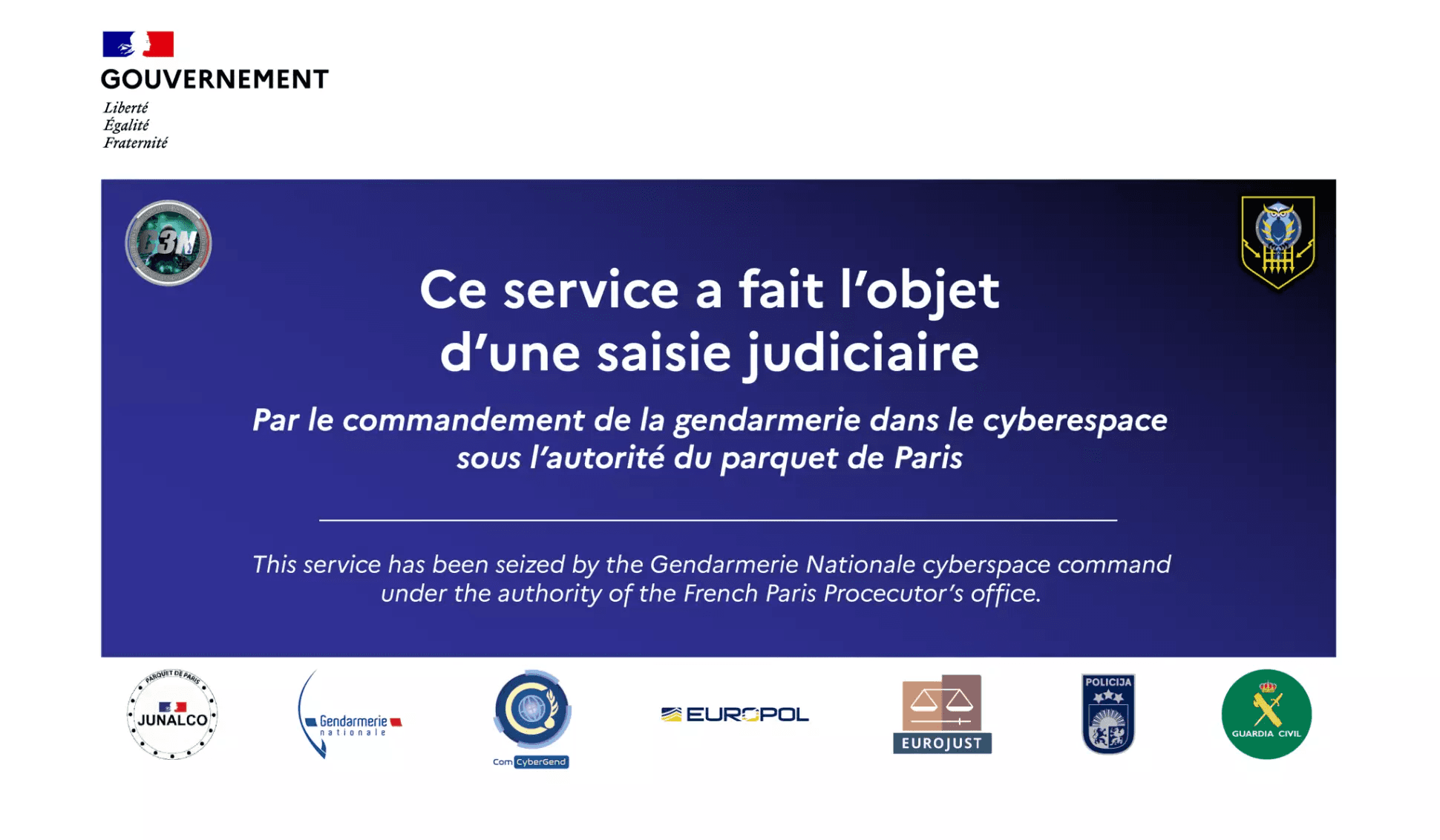
The French authorities in cooperation with their Spanish and Latvian peers, and with the support of Europol and Eurojust, have dismantled a cybercrime organization specializing in the theft of cars by hacking key fobs. 

Law enforcement arrested 31 individuals and seized over 1 million euro in criminal assets.

“The criminals targeted vehicles with keyless entry and start systems, exploiting the technology to get into the car and drive away.” reads the press release published by Europol. “As a result of a coordinated action carried out on 10 October in the three countries involved, 31 suspects were arrested. A total of 22 locations were searched, and over EUR 1 098 500 in criminal assets seized.” 

key fobs cybercrime

The police operation took place on October 10, 2022, arrested suspects are from across 22 locations in the three nations. The gang was composed of software developers, resellers, and car thieves who used the tool created by the gang to steal the vehicles.

The crooks targeted keyless vehicles manufactured by two French car manufacturers. The criminals used a tool, marketed as an automotive diagnostic solution, to replace the original software of the vehicles.

The new software allows the door to open and the ignition to be started without the actual key fob. 

“The suspects allegedly produced and used fraudulent software to steal vehicles by duplicating the vehicles’ ignition keys. Marketed as an automotive diagnostic solution, the tool was able to replace the original software of the targeted vehicles without respecting the protocol and without the original key.” reads the announcement published by EuroJust. “The perpetrators of the scam kept updating and adapting their software, to counteract the measures implemented by companies to reinforce the security of their vehicles.”

The investigation was initiated by the French Gendarmerie’s Cybercrime Centre (C3N) and was carried out with the financial support of the European Multidisciplinary Platform Against Criminal Threats (EMPACT) and the Internal Security Fund (ISF) SWORD. 

Follow me on Twitter: @securityaffairs and Facebook

[adrotate banner=”9″][adrotate banner=”12″]

Pierluigi Paganini

(SecurityAffairs – hacking, key fobs)

[adrotate banner=”5″]

[adrotate banner=”13″]


