
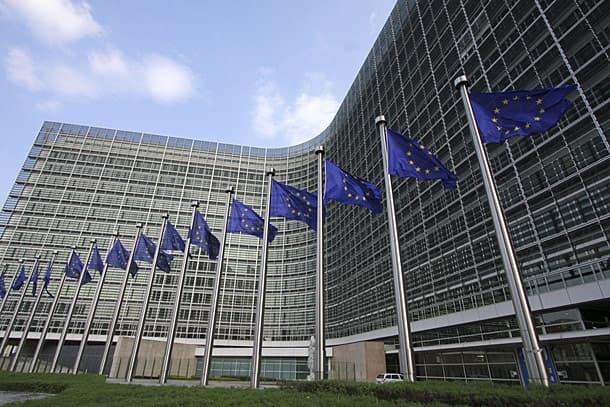
The European Union Agency for Cybersecurity welcomes the European Commission proposal to launch the new Joint Cyber Unit.
The European Commission proposed on Wednesday the creation of a new Joint Cyber Unit that aims at providing a coordinated response to large-scale cyber attacks and crises.
The idea of establishing a Joint Cyber Unit (JCU) was first proposed two years ago by European Commission President von der Leyen, it is considered a milestone in reinforcing the European cybersecurity crisis management framework.
The European Commission highlights the importance of a joint and orchestrated response to an instreasing number of attacks that are becoming even more sophisticated.
“Advanced and coordinated responses in the field of cybersecurity have become increasingly necessary, as cyberattacks grow in number, scale and consequences, impacting heavily our security. All relevant actors in the EU need to be prepared to respond collectively and exchange relevant information on a ‘need to share’, rather than only ‘need to know’, basis.” reads the press release published by the European Commission.
The Commission remarks the importance of sharing information about cyber threats. The Joint Cyber Unit is a result of the EU Cybersecurity Strategy and the EU Security Union Strategy that aims at secure digital economy and society.
The Unit will represent a point of connection for the European cybersecurity bodies and communities.
“Today, we can no longer distinguish between online and offline threats. We need to pool all our resources to defeat cyber risks and enhance our operational capacity,” Commission Vice President Margaritis Schinas said in a statement.

“Cybersecurity is a cornerstone of a digital and connected Europe. And in today’s society, responding to threats in a coordinated manner is paramount. The Joint Cyber Unit will contribute to that goal. Together we can really make a difference.” said Margrethe Vestager, Executive Vice-President for a Europe Fit for the Digital Age.
The EU Joint cyber unit aims to be operational by June 2022 and should be fully operative by 2023. The new EU unit will be funded through the Commission’s programme for digital technology and likely using the European defence development fund.
The Joint Cyber Unit will be composed of experts from EU Agency for Cybersecurity (ENISA), from EU countries, Europol’s European Cybercrime Centre, the EU foreign service EEAS and the European Defence Agency (EDA).
“The EU Agency for Cybersecurity is committed to support the Union and its Member States in the response to cyberattacks. The Joint Cyber Unit will build stronger relationships within the cybersecurity ecosystem and shape an effective framework for crisis management. Our future local office in Brussels will operate closely with the Unit to coordinate response, create situational awareness and ensure preparedness in times of crisis.” said Juhan Lepassaar, EU Agency for Cybersecurity Executive Director.
Follow me on Twitter: @securityaffairs and Facebook
| [adrotate banner=”9″] | [adrotate banner=”12″] |
(SecurityAffairs – hacking, ransomware)
[adrotate banner=”5″]
[adrotate banner=”13″]


