
Security Affairs
Two Barracuda ESG Flaws Could Be Combined for Full Root Access; Patches Released|Cyberattack Hits French Blood Banks as Hackers Target Refrigeration Systems Across Europe|CVE-2026-58868: Critical Android Bug Could Let Attackers Run Remote Code|U.S. CISA adds WordPress flaw to its Known Exploited Vulnerabilities catalog|Binance Hack: How Fake Job Interviews and AI Abuse Led to a $6.34 Billion Attack|Synology Warns of Ransomware Attacks Targeting NAS Devices Running Outdated DSM Versions|Inside XCPE, the botnet that turned 1.3M set-top boxes into proxy servers|NIS2 Makes Board Members Personally Liable for Access Control Decisions|Apple’s spyware notifications reach the Bundestag: what the BSI says to do now|VOLTA, the infostealer that asks an AI which victims are worth the effort|New wave of fridge cyberattacks hits European supermarkets, this time in Belgium, Luxembourg, Sweden and Estonia|Hackers Send Fake Nuclear Threat Alerts to Ukrainian and Russian Citizens|Two Barracuda ESG Flaws Could Be Combined for Full Root Access; Patches Released|Cyberattack Hits French Blood Banks as Hackers Target Refrigeration Systems Across Europe|CVE-2026-58868: Critical Android Bug Could Let Attackers Run Remote Code|U.S. CISA adds WordPress flaw to its Known Exploited Vulnerabilities catalog|Binance Hack: How Fake Job Interviews and AI Abuse Led to a $6.34 Billion Attack|Synology Warns of Ransomware Attacks Targeting NAS Devices Running Outdated DSM Versions|Inside XCPE, the botnet that turned 1.3M set-top boxes into proxy servers|NIS2 Makes Board Members Personally Liable for Access Control Decisions|Apple’s spyware notifications reach the Bundestag: what the BSI says to do now|VOLTA, the infostealer that asks an AI which victims are worth the effort|New wave of fridge cyberattacks hits European supermarkets, this time in Belgium, Luxembourg, Sweden and Estonia|Hackers Send Fake Nuclear Threat Alerts to Ukrainian and Russian Citizens|
Advertisement

Ad Placeholder

Full Width × 90

Security

IT giants Google and Apple enable encryption by default

Google has announced that its new Android L will encrypt users’ data by default, the rise of the User Controlled Encryption paradigm. Google decided to make a further step to improve security of its customers enabling data encryption by default in the next version of Android OS. According to a Google spokesman, encryption on Android devices is already […]

IT giants Google and Apple enable encryption by default

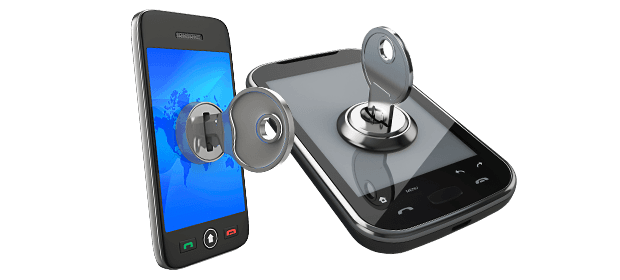
Google has announced that its new Android L will encrypt users’ data by default, the rise of the User Controlled Encryption paradigm.

Google decided to make a further step to improve security of its customers enabling data encryption by default in the next version of Android OS. According to a Google spokesman, encryption on Android devices is already available and encryption keys are present on the OS since three years, but the number of users that use them is limited.

Enabling encryption, the user’s data on the Android devices cannot be accessed by third parties, including mobile apps installed on the Smartphone and Google itself. Even if users will lose their mobile devices, nobody will be able to access their data stored on the Android Smartphone or tablet.

Theoretically, there is no way to access user’s data, and also law enforcement would have to request the access to the suspects in case of investigation.

Google revealed that starting from the Android L release, encryption will be turned on by default. The new Android release is still in a developer preview mode, and the company will release the final version before the end of the year.


After Snowden’s revelations on the global surveillance operated by the intelligence agencies, software vendors and device manufactures are considering the User Controlled Encryption paradigm an obliged choice.

Service providers implement encryption services, leaving the keys in the user’s hands, in this way they avoid any involvement in cases in which government request to access user’s information.

Confirming the trend also Apple has recently revealed that it doesn’t have access to data protected by a passcode in the new iOS 8, also in this case the company has chosen the User Controlled Encryption model, making it impossible for it to comply with a government warrant.

Like Google, Apple said that devices running its new iOS8 software would be encrypted by default, earlier this week, Apple’s CEO Tim Cook published online a message to its customers explaining that a pillar of Apple’s philosophy is that a “great customer experience shouldn’t come at the expense of your privacy”.

The introduction of default encryption and the adoption of the User Controlled Encryption paradigm will improve the user’s privacy, but it will represent a problem for law enforcement … maybe 😉

Pierluigi Paganini

(Security Affairs – User Controlled Encryption, Apple, Google)


