
On Tuesday, Twitter announced it had removed more than 143,000 apps from the messaging service since April in a new crackdown initiative.
Last week, Twitter announced it had removed more than 143,000 apps from the messaging service since April in a new crackdown initiative aimed at “malicious” activity from automated accounts.
We’re committing Twitter to help increase the collective health, openness, and civility of public conversation, and to hold ourselves publicly accountable towards progress.
— jack (@jack) March 1, 2018
The social media giant was restricting the access to its application programming interfaces (APIs) that allows developers to automate the interactions with the platform (i.e. Tweet posting).
Spam and abuse issues are important problems for the platform, every day an impressive number of bots is used to influence the sentiment on specific topics or to spread misinformation or racism content.
“We’re committed to providing access to our platform to developers whose products and services make Twitter a better place,” said Twitter senior product management director Rob Johnson.
“However, recognizing the challenges facing Twitter and the public — from spam and malicious automation to surveillance and invasions of privacy — we’re taking additional steps to ensure that our developer platform works in service of the overall health of conversation on Twitter.”
Twitter says the apps “violated our policies,” although it wouldn’t say how and it did not share details on revoked apps.
“We do not tolerate the use of our APIs to produce spam, manipulate conversations, or invade the privacy of people using Twitter,” he added.
“We’re continuing to invest in building out improved tools and processes to help us stop malicious apps faster and more efficiently.”
Cleaning up Twitter it a hard task, now since Tuesday, Twitter deployed a new application process for developers that intend to use the platform API.
Twitter is going to ask them for details of how they will use the service.
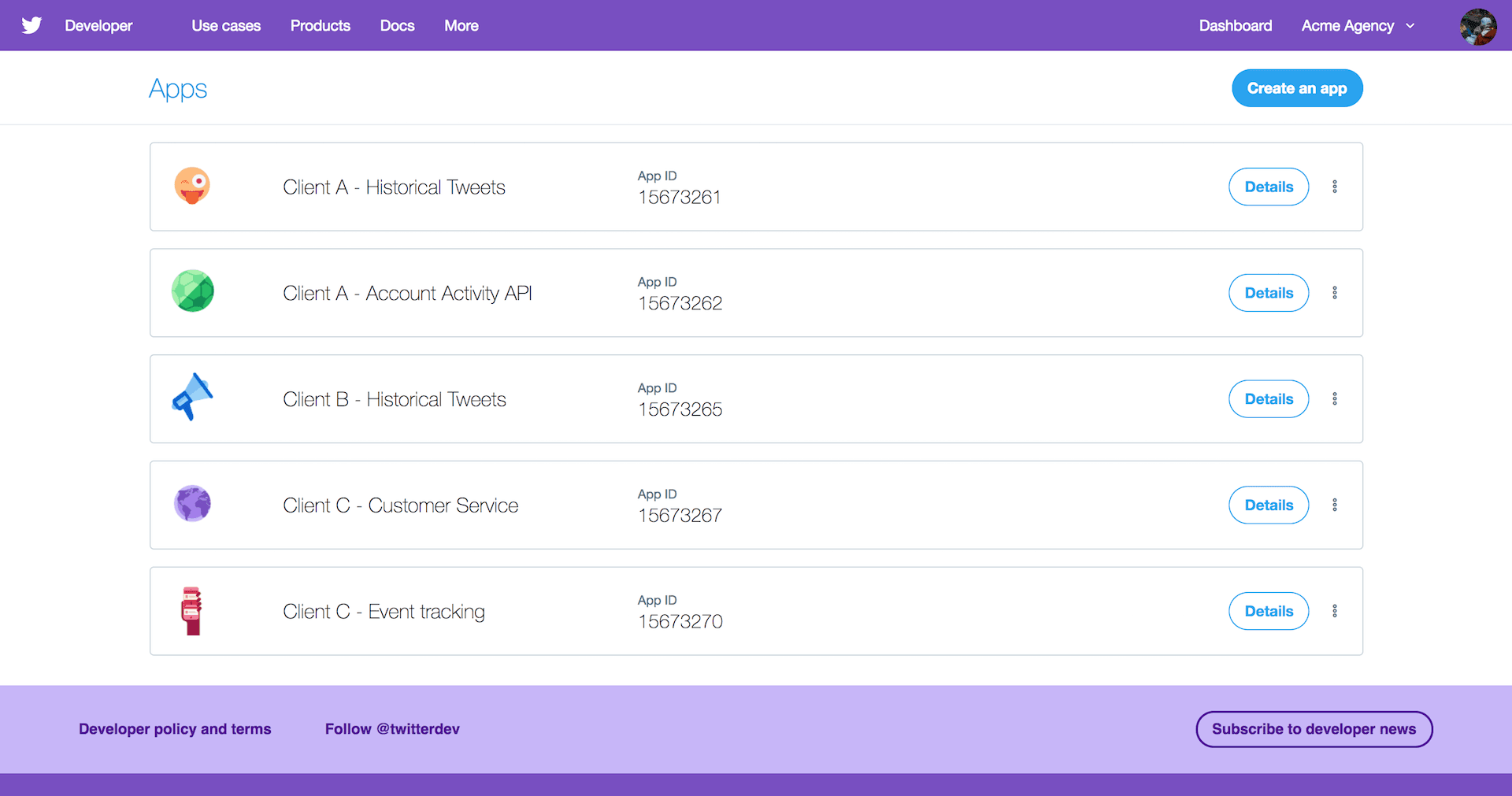
“Beginning today, anyone who wants access to Twitter’s APIs should apply for a developer account using the new developer portal at developer.twitter.com. Once your application has been approved, you’ll be able to create new apps and manage existing apps on developer.twitter.com. Existing apps can also still be managed on apps.twitter.com.”Johnson added.
“We’re committed to supporting all developers who want to build high-quality, policy-compliant experiences using our developer platform and APIs, while reducing the impact of bad actors on our service,”

Anyway, there are many legitimate applications that used Twitter APIs to automate several processes, including emergency alerts.
Twitter also announced the introduction of new default app-level rate limits for common POST endpoints to fight the spamming through the platform.
“Alongside changes to the developer account application process, we’re introducing new default app-level rate limits for common POST endpoints, as well as a new process for developers to obtain high volume posting privileges. These changes will help cut down on the ability of bad actors to create spam on Twitter via our APIs, while continuing to provide the opportunity to build and grow an app or business to meaningful scale.” concludes Twitter.
| [adrotate banner=”9″] | [adrotate banner=”12″] |
(Security Affairs – Twitter, messaging service)
[adrotate banner=”5″]
[adrotate banner=”13″]


