
Security Affairs
Two Barracuda ESG Flaws Could Be Combined for Full Root Access; Patches Released|Cyberattack Hits French Blood Banks as Hackers Target Refrigeration Systems Across Europe|CVE-2026-58868: Critical Android Bug Could Let Attackers Run Remote Code|U.S. CISA adds WordPress flaw to its Known Exploited Vulnerabilities catalog|Binance Hack: How Fake Job Interviews and AI Abuse Led to a $6.34 Billion Attack|Synology Warns of Ransomware Attacks Targeting NAS Devices Running Outdated DSM Versions|Inside XCPE, the botnet that turned 1.3M set-top boxes into proxy servers|NIS2 Makes Board Members Personally Liable for Access Control Decisions|Apple’s spyware notifications reach the Bundestag: what the BSI says to do now|VOLTA, the infostealer that asks an AI which victims are worth the effort|New wave of fridge cyberattacks hits European supermarkets, this time in Belgium, Luxembourg, Sweden and Estonia|Hackers Send Fake Nuclear Threat Alerts to Ukrainian and Russian Citizens|Two Barracuda ESG Flaws Could Be Combined for Full Root Access; Patches Released|Cyberattack Hits French Blood Banks as Hackers Target Refrigeration Systems Across Europe|CVE-2026-58868: Critical Android Bug Could Let Attackers Run Remote Code|U.S. CISA adds WordPress flaw to its Known Exploited Vulnerabilities catalog|Binance Hack: How Fake Job Interviews and AI Abuse Led to a $6.34 Billion Attack|Synology Warns of Ransomware Attacks Targeting NAS Devices Running Outdated DSM Versions|Inside XCPE, the botnet that turned 1.3M set-top boxes into proxy servers|NIS2 Makes Board Members Personally Liable for Access Control Decisions|Apple’s spyware notifications reach the Bundestag: what the BSI says to do now|VOLTA, the infostealer that asks an AI which victims are worth the effort|New wave of fridge cyberattacks hits European supermarkets, this time in Belgium, Luxembourg, Sweden and Estonia|Hackers Send Fake Nuclear Threat Alerts to Ukrainian and Russian Citizens|
Advertisement

Ad Placeholder

Full Width × 90

Breaking News

Microsoft joint force with NATO to improve EU Cybersecurity

Microsoft announced the signing of a Government Security Program (GSP) agreement with the NATO Communications and Information Agency. At NATO’s annual cyber conference early this week, Microsoft announced the signing of an agreement with the NATO Communications and Information Agency that aims to improve cyber security in the EU. “We see this signing as another step […]

Microsoft joint force with NATO to improve EU Cybersecurity

Microsoft announced the signing of a Government Security Program (GSP) agreement with the NATO Communications and Information Agency.

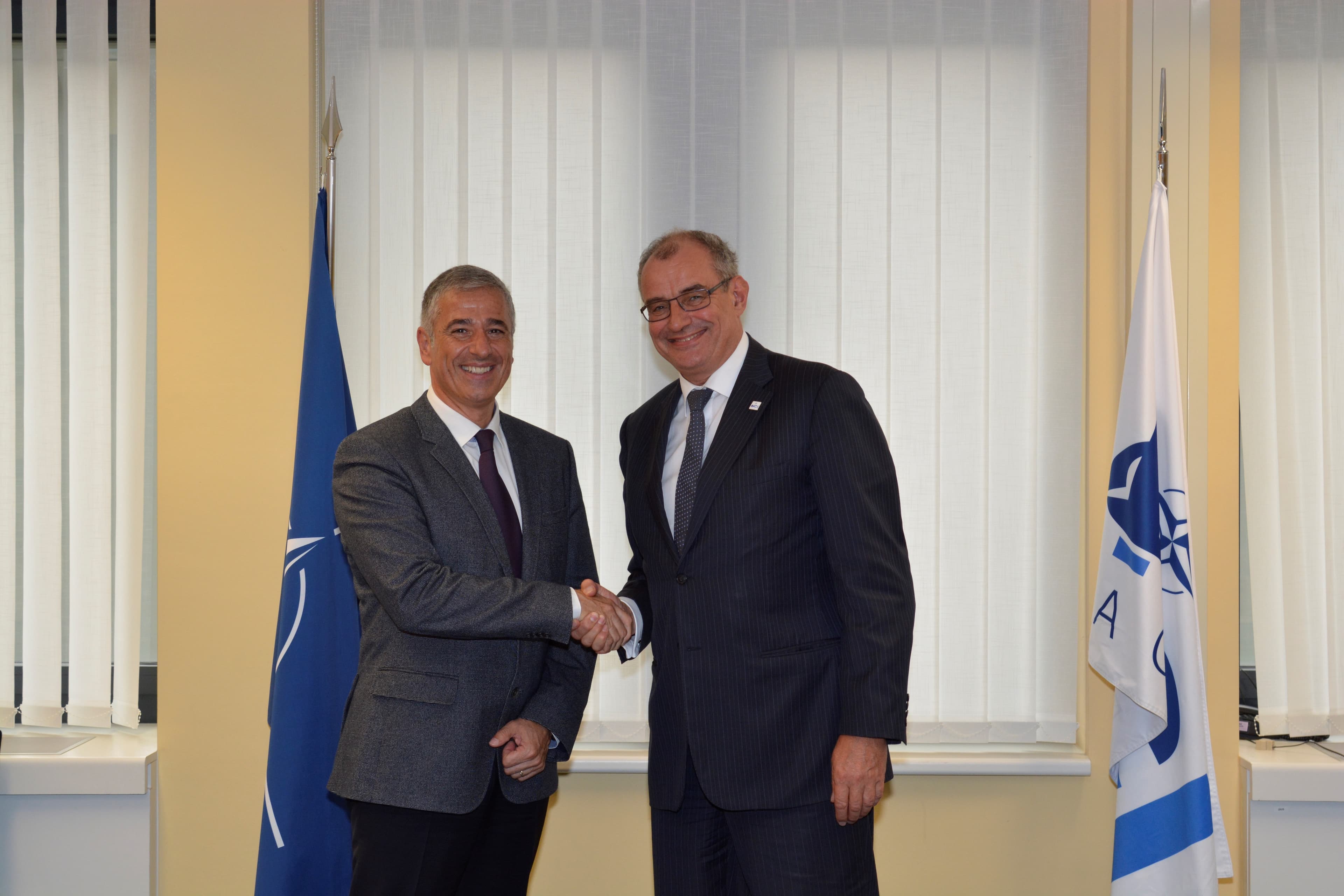
At NATO’s annual cyber conference early this week, Microsoft announced the signing of an agreement with the NATO Communications and Information Agency that aims to improve cyber security in the EU.

NATO microsoft

“We see this signing as another step forward in the NATO -Industry Cyber Partnership, building a stronger cyber defense network today with Microsoft, but also with other Industry partners across the world” explained the Ambassador Sorin Ducaru, Assistant Secretary General of NATO’s Emerging Security Challenges Division.

The Government Security Program was promoted by Microsoft to help governments in protecting their assets and maintain a proper security posture to mitigate cyber threats. The initiative is not a novelty for Microsoft that already support more than 40 agencies from more than 25 governments worldwide. The IT giants will provide online training tools and guidance on threat actors and related TTPs.

Under the Government Security Program, Microsoft and NATO will mutually share technical information on cyber threats, Microsoft will offer to the NATO Communications and Information Agency access to technical information and documentation on Microsoft products and services, and threat intelligence.

The program has the goal of offering transparency and reliability in the fight against cybercrime and in the mitigation of cyber threats.

“we have found that supporting an open dialogue and collaborative environment is the most effective way to increase transparency, reliability and integrity in our collective desire for improving cybersecurity.” Microsoft explained.

“NATO is facing new and increasingly dangerous threats to cybersecurity across the world and these threats could affect national economies and citizens. To avoid it, NCI Agency strongly believes in rapid and early information sharing on threats and vulnerabilities with leading companies worldwide, such as Microsoft.  Trust is the key to success,” said Koen Gijsbers NCI Agency General Manager.

Pierluigi Paganini

(Security Affairs – Government Security Program, NATO)


