
Security Affairs
Two Barracuda ESG Flaws Could Be Combined for Full Root Access; Patches Released|Cyberattack Hits French Blood Banks as Hackers Target Refrigeration Systems Across Europe|CVE-2026-58868: Critical Android Bug Could Let Attackers Run Remote Code|U.S. CISA adds WordPress flaw to its Known Exploited Vulnerabilities catalog|Binance Hack: How Fake Job Interviews and AI Abuse Led to a $6.34 Billion Attack|Synology Warns of Ransomware Attacks Targeting NAS Devices Running Outdated DSM Versions|Inside XCPE, the botnet that turned 1.3M set-top boxes into proxy servers|NIS2 Makes Board Members Personally Liable for Access Control Decisions|Apple’s spyware notifications reach the Bundestag: what the BSI says to do now|VOLTA, the infostealer that asks an AI which victims are worth the effort|New wave of fridge cyberattacks hits European supermarkets, this time in Belgium, Luxembourg, Sweden and Estonia|Hackers Send Fake Nuclear Threat Alerts to Ukrainian and Russian Citizens|Two Barracuda ESG Flaws Could Be Combined for Full Root Access; Patches Released|Cyberattack Hits French Blood Banks as Hackers Target Refrigeration Systems Across Europe|CVE-2026-58868: Critical Android Bug Could Let Attackers Run Remote Code|U.S. CISA adds WordPress flaw to its Known Exploited Vulnerabilities catalog|Binance Hack: How Fake Job Interviews and AI Abuse Led to a $6.34 Billion Attack|Synology Warns of Ransomware Attacks Targeting NAS Devices Running Outdated DSM Versions|Inside XCPE, the botnet that turned 1.3M set-top boxes into proxy servers|NIS2 Makes Board Members Personally Liable for Access Control Decisions|Apple’s spyware notifications reach the Bundestag: what the BSI says to do now|VOLTA, the infostealer that asks an AI which victims are worth the effort|New wave of fridge cyberattacks hits European supermarkets, this time in Belgium, Luxembourg, Sweden and Estonia|Hackers Send Fake Nuclear Threat Alerts to Ukrainian and Russian Citizens|
Advertisement

Ad Placeholder

Full Width × 90

Breaking News

Misinformation and hacktivist campaigns targeting the Philippines skyrocket

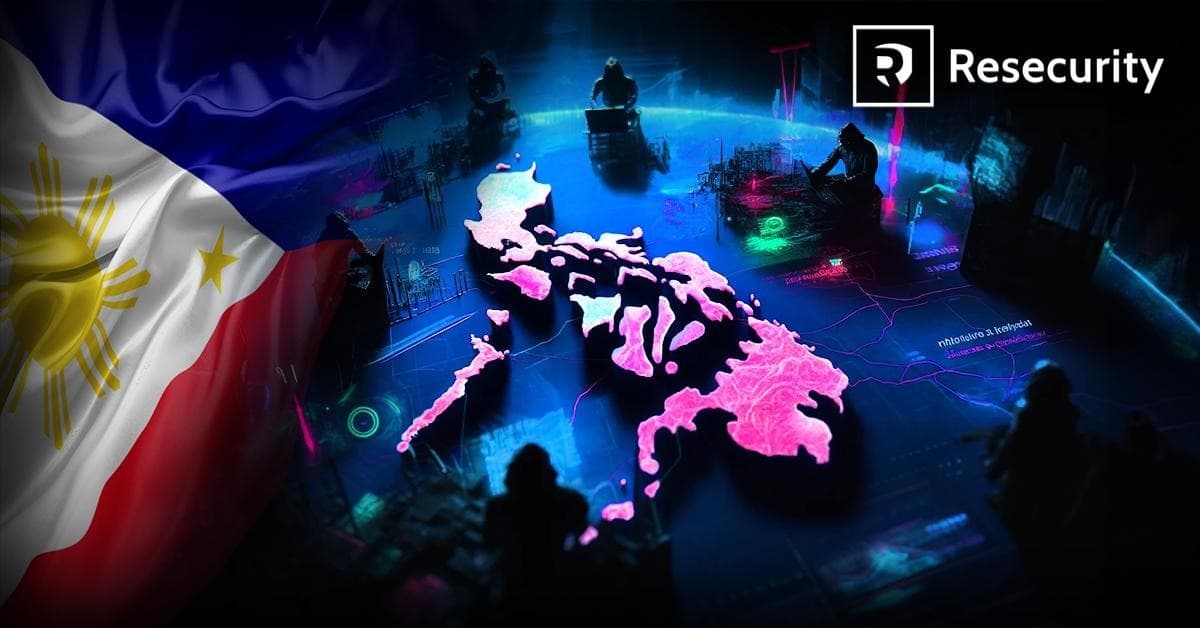
Amidst rising tensions with China in the SCS, Resecurity observed a spike in malicious cyber activity targeting the Philippines in Q1 2024. Amidst rising tensions with China in the South China Sea, Resecurity has observed a significant spike in malicious cyber activity targeting the Philippines in Q1 2024, increasing nearly 325% compared to the same period […]

misinformation philippines hacked

Amidst rising tensions with China in the SCS, Resecurity observed a spike in malicious cyber activity targeting the Philippines in Q1 2024.

Amidst rising tensions with China in the South China Sea, Resecurity has observed a significant spike in malicious cyber activity targeting the Philippines in Q1 2024, increasing nearly 325% compared to the same period last year. The number of cyberattacks involving hacktivist groups and foreign misinformation campaigns has nearly tripled. In Q2 2024, this growth trajectory continues, with Resecurity observing multiple cyberattacks staged by previously unknown threat actors. These attacks are characterized by the intersection of ideological “hacktivist” motivations and nation-state-sponsored propaganda.

One prolific example of this dynamic is the China-linked Mustang Panda group, which Resecurity observed using cyberspace to stage sophisticated information warfare campaigns. There is a thin line between cybercriminal activity (supported by the state) and nation-state actors engaging in malicious cyber activity. Leveraging hacktivist-related monikers allows threat actors to avoid attribution while creating the perception of homegrown social conflict online. This tactic is often combined with false-flag attacks originating under publicly known threat-actor profiles to keep a distance from the real intellectual authors of these malign campaigns.

According to experts, the underground scene of actors is represented by the following threat groups accelerating their activity – Philippine Exodus Security (PHEDS), Cyber Operation Alliance (COA), Robin Cyber Hood (RCH), and DeathNote Hackers (Philippines), as well as independent actors and mercenaries recruited to conduct targeted attacks. Notably, some of these groups were also spotted collaborating with Arab Anonymous and Sylnet Gang-SG.

Resecurity interprets this activity as pre-staging for broader malicious, foreign cyber-threat actor activity in the region, including cyber espionage and targeted attacks against government agencies and critical infrastructure. Multiple government resources such as the Department of Interior and Local Government, Bureau of Plant Industry, Philippine National Police, and Bureau of Customs have been targeted.

The full report is available here.

https://www.resecurity.com/blog/article/misinformation-and-hacktivist-campaigns-target-the-philippines-amidst-rising-tensions-with-china

Pierluigi Paganini

Follow me on Twitter: @securityaffairs and Facebook and Mastodon

(SecurityAffairs – misinformation, The Philippines)


