

Security Affairs
Cyberattack Hits French Blood Banks as Hackers Target Refrigeration Systems Across Europe|CVE-2026-58868: Critical Android Bug Could Let Attackers Run Remote Code|U.S. CISA adds WordPress flaw to its Known Exploited Vulnerabilities catalog|Binance Hack: How Fake Job Interviews and AI Abuse Led to a $6.34 Billion Attack|Synology Warns of Ransomware Attacks Targeting NAS Devices Running Outdated DSM Versions|Inside XCPE, the botnet that turned 1.3M set-top boxes into proxy servers|NIS2 Makes Board Members Personally Liable for Access Control Decisions|Apple’s spyware notifications reach the Bundestag: what the BSI says to do now|VOLTA, the infostealer that asks an AI which victims are worth the effort|New wave of fridge cyberattacks hits European supermarkets, this time in Belgium, Luxembourg, Sweden and Estonia|Hackers Send Fake Nuclear Threat Alerts to Ukrainian and Russian Citizens|Chainalysis Investigates Security Incident Involving AI-Driven Attack Techniques|Cyberattack Hits French Blood Banks as Hackers Target Refrigeration Systems Across Europe|CVE-2026-58868: Critical Android Bug Could Let Attackers Run Remote Code|U.S. CISA adds WordPress flaw to its Known Exploited Vulnerabilities catalog|Binance Hack: How Fake Job Interviews and AI Abuse Led to a $6.34 Billion Attack|Synology Warns of Ransomware Attacks Targeting NAS Devices Running Outdated DSM Versions|Inside XCPE, the botnet that turned 1.3M set-top boxes into proxy servers|NIS2 Makes Board Members Personally Liable for Access Control Decisions|Apple’s spyware notifications reach the Bundestag: what the BSI says to do now|VOLTA, the infostealer that asks an AI which victims are worth the effort|New wave of fridge cyberattacks hits European supermarkets, this time in Belgium, Luxembourg, Sweden and Estonia|Hackers Send Fake Nuclear Threat Alerts to Ukrainian and Russian Citizens|Chainalysis Investigates Security Incident Involving AI-Driven Attack Techniques|
Advertisement

Ad Placeholder

Full Width × 90

Breaking News

MWZLesson POS Trojan borrows code from other malware

Security experts at Doctor Web have discovered a new PoS Trojan dubbed MWZLesson that borrows code from other popular malicious software. Security experts at Dr. Web have discovered a new PoS Trojan that was designed by mixing code from other malware. The new PoS Trojan, dubbed Trojan.MWZLesson, was designed reusing the code of other popular malware, including the Dexter PoS […]

MWZLesson POS Trojan borrows code from other malware

Security experts at Doctor Web have discovered a new PoS Trojan dubbed MWZLesson that borrows code from other popular malicious software.

Security experts at Dr. Web have discovered a new PoS Trojan that was designed by mixing code from other malware.

The new PoS Trojan, dubbed Trojan.MWZLesson, was designed reusing the code of other popular malware, including the Dexter PoS and the Neutrino backdoor.

“This code was borrowed from another Trojan designed for POS terminals and named Trojan.PWS.Dexter. The malware sends all acquired bank card data and other intercepted information to the command and control server.” states the blog post published by Dr. Web.
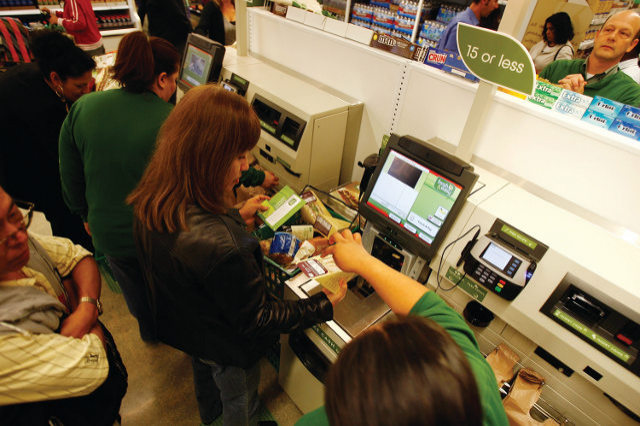
Dexter malware PoS Trojan

Like its predecessors, MWZLesson compromises the POS terminals, scraping the RAM memory to search for credit card data. Once infected the PoS system, the malware communicates with the server over the HTTP protocol, it steals card data and sends it to the command and control server through GET and POST requests.

“Trojan.MWZLesson can intercept GET and POST requests sent from the infected machine’s browsers (Firefox, Chrome or Internet Explorer). Such requests are forwarded to the command and control server run by cybercriminals.” continues the post.
Trojan.MWZLesson can update itself, download and run additional files, find specific documents, and even mount an HTTP Flood attack.

The experts at Dr.Web discovered that the Trojan.MWZLesson also implements features to avoid detection and eradicate other malware that infected the PoS malware.

“Trojan.MWZLesson checks for virtual environments and debuggers and gather information on the infected machine. The newly discovered PoS malware is able to remove other malware present on the machine and is able to exfiltrate different kinds of data.”

The discovery of the Trojan.MWZLesson confirms the great interest of the criminal crews in infecting POS terminals and their abilities in recyclying code of older and efficient malware.  

[adrotate banner=”9″]

Pierluigi Paganini

(Security Affairs – PoS Trojan, cybercrime)


