
Security Affairs
Cyberattack Hits French Blood Banks as Hackers Target Refrigeration Systems Across Europe|CVE-2026-58868: Critical Android Bug Could Let Attackers Run Remote Code|U.S. CISA adds WordPress flaw to its Known Exploited Vulnerabilities catalog|Binance Hack: How Fake Job Interviews and AI Abuse Led to a $6.34 Billion Attack|Synology Warns of Ransomware Attacks Targeting NAS Devices Running Outdated DSM Versions|Inside XCPE, the botnet that turned 1.3M set-top boxes into proxy servers|NIS2 Makes Board Members Personally Liable for Access Control Decisions|Apple’s spyware notifications reach the Bundestag: what the BSI says to do now|VOLTA, the infostealer that asks an AI which victims are worth the effort|New wave of fridge cyberattacks hits European supermarkets, this time in Belgium, Luxembourg, Sweden and Estonia|Hackers Send Fake Nuclear Threat Alerts to Ukrainian and Russian Citizens|Chainalysis Investigates Security Incident Involving AI-Driven Attack Techniques|Cyberattack Hits French Blood Banks as Hackers Target Refrigeration Systems Across Europe|CVE-2026-58868: Critical Android Bug Could Let Attackers Run Remote Code|U.S. CISA adds WordPress flaw to its Known Exploited Vulnerabilities catalog|Binance Hack: How Fake Job Interviews and AI Abuse Led to a $6.34 Billion Attack|Synology Warns of Ransomware Attacks Targeting NAS Devices Running Outdated DSM Versions|Inside XCPE, the botnet that turned 1.3M set-top boxes into proxy servers|NIS2 Makes Board Members Personally Liable for Access Control Decisions|Apple’s spyware notifications reach the Bundestag: what the BSI says to do now|VOLTA, the infostealer that asks an AI which victims are worth the effort|New wave of fridge cyberattacks hits European supermarkets, this time in Belgium, Luxembourg, Sweden and Estonia|Hackers Send Fake Nuclear Threat Alerts to Ukrainian and Russian Citizens|Chainalysis Investigates Security Incident Involving AI-Driven Attack Techniques|
Advertisement

Ad Placeholder

Full Width × 90

Breaking News

National Logistics Portal (NLP) data leak: seaports in India were left vulnerable to takeover by hackers

The National Logistics Portal (NLP), a newly launched platform to manage all port operations in India, left public access to sensitive data, posing the risk of a potential takeover by threat actors. On September 24th, researchers discovered that the NLP platform was exposing sensitive credentials, secrets, and encryption keys via publicly available JS files. In […]

National Logistics Portal

Image by SecurityDiscovery.

The National Logistics Portal (NLP), a newly launched platform to manage all port operations in India, left public access to sensitive data, posing the risk of a potential takeover by threat actors.

On September 24th, researchers discovered that the NLP platform was exposing sensitive credentials, secrets, and encryption keys via publicly available JS files.

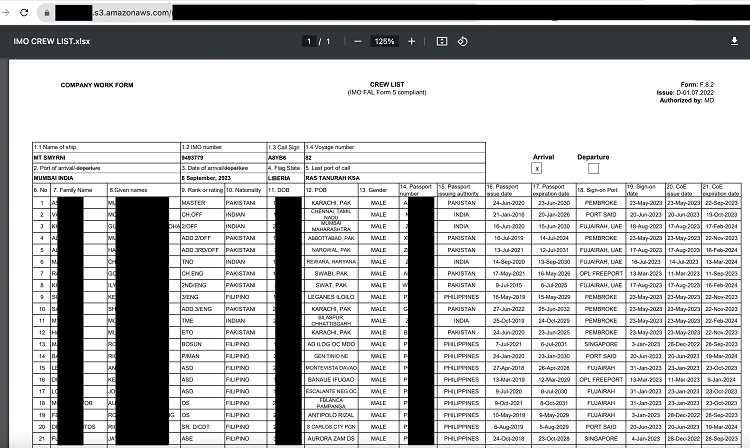
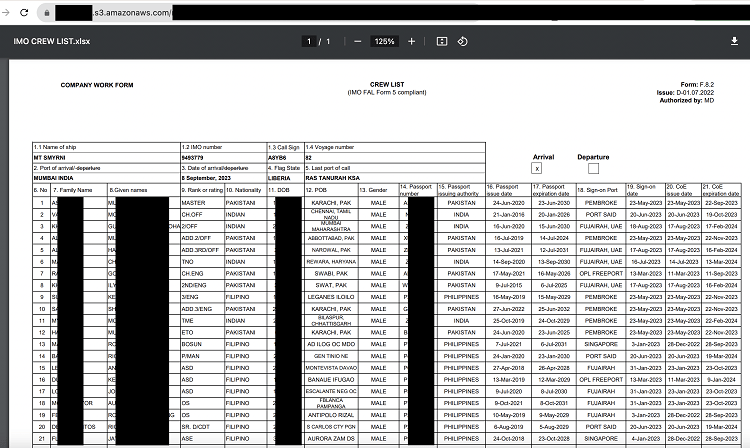
In addition to that, a number of Amazon Web Services (AWS) S3 buckets were left publicly accessible to anyone. The buckets contained the personal data of workers, marine crew, invoices, and internal documents. As the platform deals with the country’s critical infrastructure, this oversight might introduce great risk.

Alarmingly, the exposed AWS S3 keys allowed anyone to get higher privileges and gain access to all of the NLP infrastructure. This poses a grave danger of ransomware attacks. Threat actors could have taken advantage of the access to the system to encrypt critical information and make it inaccessible to the waterways authorities.
National Logistics Portal
Image by SecurityDiscovery.

It might have caused far-reaching consequences, such as disrupting the trade and operations of India’s ports, not to mention the financial implications of significant ransoms demanded for the decryption keys.

According to the CEO of SecurityDiscovery Bob Diachenko, who first identified the leak, the exact consequences are hard to estimate.

“Figuratively speaking, India’s one-window solution for shipping has left its digital keys right under the doormat. Moreover, the door itself was also open. The JS file should not contain hardcoded credentials in the first place and AWS S3 buckets with sensitive data should be private – especially, when it is a governmental institution. It is also a huge reputational risk not only for that particular asset but for the entire country,” explained Cybernews Diachenko.

National Logistics Portal
Image by SecurityDiscovery.

If you want to know more about India’s NLP and how the flaw was managed take a look at the original post:

https://cybernews.com/security/national-logistics-portal-data-leak/

About the author: Paulina Okunytė, Journalist at Cybernews

Follow me on Twitter: @securityaffairs and Facebook and Mastodon

Pierluigi Paganini

(SecurityAffairs – hacking, National Logistics Portal)


