
Security Affairs
Cyberattack Hits French Blood Banks as Hackers Target Refrigeration Systems Across Europe|CVE-2026-58868: Critical Android Bug Could Let Attackers Run Remote Code|U.S. CISA adds WordPress flaw to its Known Exploited Vulnerabilities catalog|Binance Hack: How Fake Job Interviews and AI Abuse Led to a $6.34 Billion Attack|Synology Warns of Ransomware Attacks Targeting NAS Devices Running Outdated DSM Versions|Inside XCPE, the botnet that turned 1.3M set-top boxes into proxy servers|NIS2 Makes Board Members Personally Liable for Access Control Decisions|Apple’s spyware notifications reach the Bundestag: what the BSI says to do now|VOLTA, the infostealer that asks an AI which victims are worth the effort|New wave of fridge cyberattacks hits European supermarkets, this time in Belgium, Luxembourg, Sweden and Estonia|Hackers Send Fake Nuclear Threat Alerts to Ukrainian and Russian Citizens|Chainalysis Investigates Security Incident Involving AI-Driven Attack Techniques|Cyberattack Hits French Blood Banks as Hackers Target Refrigeration Systems Across Europe|CVE-2026-58868: Critical Android Bug Could Let Attackers Run Remote Code|U.S. CISA adds WordPress flaw to its Known Exploited Vulnerabilities catalog|Binance Hack: How Fake Job Interviews and AI Abuse Led to a $6.34 Billion Attack|Synology Warns of Ransomware Attacks Targeting NAS Devices Running Outdated DSM Versions|Inside XCPE, the botnet that turned 1.3M set-top boxes into proxy servers|NIS2 Makes Board Members Personally Liable for Access Control Decisions|Apple’s spyware notifications reach the Bundestag: what the BSI says to do now|VOLTA, the infostealer that asks an AI which victims are worth the effort|New wave of fridge cyberattacks hits European supermarkets, this time in Belgium, Luxembourg, Sweden and Estonia|Hackers Send Fake Nuclear Threat Alerts to Ukrainian and Russian Citizens|Chainalysis Investigates Security Incident Involving AI-Driven Attack Techniques|
Advertisement

Ad Placeholder

Full Width × 90

Breaking News

US SEC warns investors of ongoing fraudulent communications claiming from the SEC

The Securities and Exchange Commission (SEC) warns investors of attacks impersonating its officials in government impersonator schemes. The Securities and Exchange Commission (SEC) is warning investors of scammers impersonating SEC officials in fraudulent schemes. According to the alert issued by the SEC’s Office of Investor Education and Advocacy (OIEA), crooks are contacting investors via phone […]

SEC Hurricane Ida scams

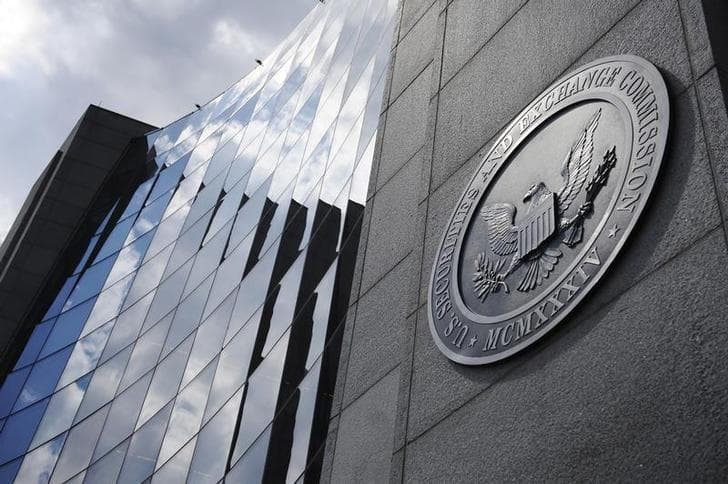
A general exterior view of the U.S. Securities and Exchange Commission (SEC) headquarters in Washington, June 24, 2011. REUTERS/Jonathan Ernst

The Securities and Exchange Commission (SEC) warns investors of attacks impersonating its officials in government impersonator schemes.

The Securities and Exchange Commission (SEC) is warning investors of scammers impersonating SEC officials in fraudulent schemes.

According to the alert issued by the SEC’s Office of Investor Education and Advocacy (OIEA), crooks are contacting investors via phone calls, voicemails, emails, and letters.

“We are aware that several individuals recently received phone calls or voicemail messages that appeared to be from an SEC phone number.  The calls and messages raised purported concerns about unauthorized transactions or other suspicious activity in the recipients’ checking or cryptocurrency accounts.  These phone calls and voicemail messages are in no way connected to the Securities and Exchange Commission.” reads the alert.

The alert recommends investors not provide any personal information in case they receive a communication that appears to be from the Securities and Exchange Commission. They are invited to directly contact the commission.

Investors can check the identity of someone behind calls or messages using the SEC’s personnel locator at (202) 551-6000, or call (800) SEC-0330 or email help@SEC.gov.

Investors can also file a complaint with the Securities and Exchange Commission’s Office of Inspector General at www.sec.gov/oig or call the OIG’s toll-free hotline at (833) SEC-OIG1 (732-6441).

“Beware of government impersonator schemes. Con artists have used the names of real SEC employees and email messages that falsely appear to be from the Securities and Exchange Commission to trick victims into sending the fraudster’s money. Impersonation of US Government agencies and employees (as well as of legitimate financial services entities) is one common feature of advance fee solicitations and other fraudulent schemes. Even where the fraudsters do not request that funds be sent directly to them, they may use personal information they obtain to steal an individual’s identity or misappropriate their financial assets.” continues the alert.

Follow me on Twitter: @securityaffairs and Facebook

[adrotate banner=”9″][adrotate banner=”12″]

Pierluigi Paganini

(SecurityAffairs – hacking, SEC)

[adrotate banner=”5″]

[adrotate banner=”13″]


