
Security Affairs
Two Barracuda ESG Flaws Could Be Combined for Full Root Access; Patches Released|Cyberattack Hits French Blood Banks as Hackers Target Refrigeration Systems Across Europe|CVE-2026-58868: Critical Android Bug Could Let Attackers Run Remote Code|U.S. CISA adds WordPress flaw to its Known Exploited Vulnerabilities catalog|Binance Hack: How Fake Job Interviews and AI Abuse Led to a $6.34 Billion Attack|Synology Warns of Ransomware Attacks Targeting NAS Devices Running Outdated DSM Versions|Inside XCPE, the botnet that turned 1.3M set-top boxes into proxy servers|NIS2 Makes Board Members Personally Liable for Access Control Decisions|Apple’s spyware notifications reach the Bundestag: what the BSI says to do now|VOLTA, the infostealer that asks an AI which victims are worth the effort|New wave of fridge cyberattacks hits European supermarkets, this time in Belgium, Luxembourg, Sweden and Estonia|Hackers Send Fake Nuclear Threat Alerts to Ukrainian and Russian Citizens|Two Barracuda ESG Flaws Could Be Combined for Full Root Access; Patches Released|Cyberattack Hits French Blood Banks as Hackers Target Refrigeration Systems Across Europe|CVE-2026-58868: Critical Android Bug Could Let Attackers Run Remote Code|U.S. CISA adds WordPress flaw to its Known Exploited Vulnerabilities catalog|Binance Hack: How Fake Job Interviews and AI Abuse Led to a $6.34 Billion Attack|Synology Warns of Ransomware Attacks Targeting NAS Devices Running Outdated DSM Versions|Inside XCPE, the botnet that turned 1.3M set-top boxes into proxy servers|NIS2 Makes Board Members Personally Liable for Access Control Decisions|Apple’s spyware notifications reach the Bundestag: what the BSI says to do now|VOLTA, the infostealer that asks an AI which victims are worth the effort|New wave of fridge cyberattacks hits European supermarkets, this time in Belgium, Luxembourg, Sweden and Estonia|Hackers Send Fake Nuclear Threat Alerts to Ukrainian and Russian Citizens|
Advertisement

Ad Placeholder

Full Width × 90

Breaking News

South Korea suffers from the spread of people infected with Corona 19

In this situation, ‘Est security’ found malicious code disguised as a ‘Corona 19 real-time status’ inquiry program and asked the public’s attention. The malware found is an executable program (EXE) using file names such as ‘Corona’s domestic status’ and ‘Corona’s real-time corona status.’ When you run the file, you will see a pop-up window titled […]

COVID-19

In this situation, ‘Est security’ found malicious code disguised as a ‘Corona 19 real-time status’ inquiry program and asked the public’s attention.

The malware found is an executable program (EXE) using file names such as ‘Corona’s domestic status’ and ‘Corona’s real-time corona status.’ When you run the file, you will see a pop-up window titled “Real-time Corona19 Status” depending on the variant.

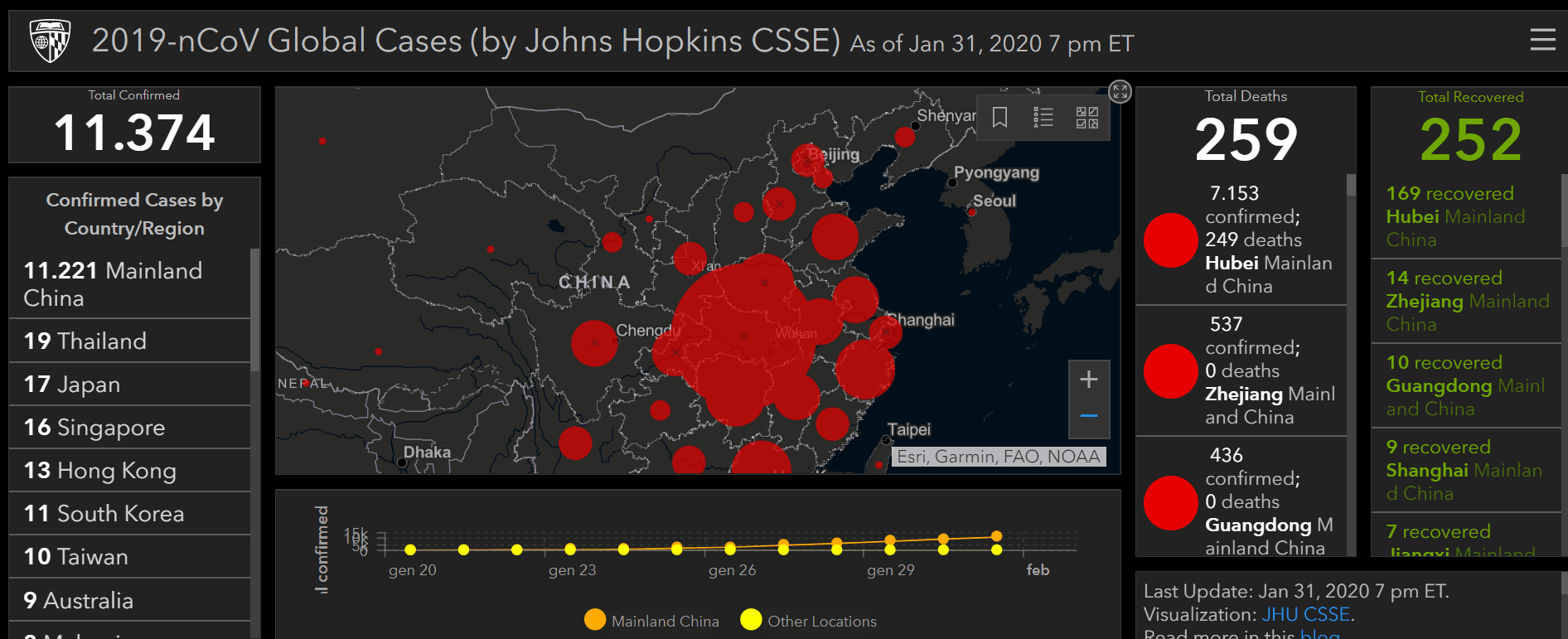
The pop-up window shows four items and the corresponding numerical information, such as confirming patient, release (cure), death, and under test, as it shows actual corona 19 (coronavirus, COVID19) infection status. However, the malicious program automatically installs malicious code in the PC temporary folder without your knowledge.

Corona 19

Malware generated the PC has the function to perform the actual malicious behavior, and when infected, the user’s PC is exposed to various attacks such as ▲ remote control ▲ ▲ screen capture ▲ additional malware installation ▲ information takeover.

Est Security said that the program has a fixed number of all four items representing infected information, all at 100, and that the command control server (C2) uses a private IP address.

In particular, it has been reported that there have been no cases of infection reported through security’s public vaccine ”. However, the malicious program contains the actual RAT malicious module, so it cannot be ruled out that there is no possibility of threat of similar variants.

About the author: 최형주 Hyung-Joo, Choi  Editor

The original post is available on the Secun website:

http://www.cctvnews.co.kr/news/articleList.html

[adrotate banner=”9″] [adrotate banner=”12″]

Pierluigi Paganini

(SecurityAffairs – coronavirus, Corona 19)

[adrotate banner=”5″]

[adrotate banner=”13″]


