Security Affairs
Two Barracuda ESG Flaws Could Be Combined for Full Root Access; Patches Released|Cyberattack Hits French Blood Banks as Hackers Target Refrigeration Systems Across Europe|CVE-2026-58868: Critical Android Bug Could Let Attackers Run Remote Code|U.S. CISA adds WordPress flaw to its Known Exploited Vulnerabilities catalog|Binance Hack: How Fake Job Interviews and AI Abuse Led to a $6.34 Billion Attack|Synology Warns of Ransomware Attacks Targeting NAS Devices Running Outdated DSM Versions|Inside XCPE, the botnet that turned 1.3M set-top boxes into proxy servers|NIS2 Makes Board Members Personally Liable for Access Control Decisions|Apple’s spyware notifications reach the Bundestag: what the BSI says to do now|VOLTA, the infostealer that asks an AI which victims are worth the effort|New wave of fridge cyberattacks hits European supermarkets, this time in Belgium, Luxembourg, Sweden and Estonia|Hackers Send Fake Nuclear Threat Alerts to Ukrainian and Russian Citizens|Two Barracuda ESG Flaws Could Be Combined for Full Root Access; Patches Released|Cyberattack Hits French Blood Banks as Hackers Target Refrigeration Systems Across Europe|CVE-2026-58868: Critical Android Bug Could Let Attackers Run Remote Code|U.S. CISA adds WordPress flaw to its Known Exploited Vulnerabilities catalog|Binance Hack: How Fake Job Interviews and AI Abuse Led to a $6.34 Billion Attack|Synology Warns of Ransomware Attacks Targeting NAS Devices Running Outdated DSM Versions|Inside XCPE, the botnet that turned 1.3M set-top boxes into proxy servers|NIS2 Makes Board Members Personally Liable for Access Control Decisions|Apple’s spyware notifications reach the Bundestag: what the BSI says to do now|VOLTA, the infostealer that asks an AI which victims are worth the effort|New wave of fridge cyberattacks hits European supermarkets, this time in Belgium, Luxembourg, Sweden and Estonia|Hackers Send Fake Nuclear Threat Alerts to Ukrainian and Russian Citizens|
Advertisement

Ad Placeholder

Full Width × 90

Breaking News

US Telecom providers requested $5.6B to replace Chinese equipment

The Federal Communications Commission (FCC) says that small telecom providers have requested $5.6 billion to replace Chinese gear. The U.S. government has requested telecom providers to replace Chinese equipment in their networks due to security issues and allocated $1.9 billion to support the companies in the transaction. The Federal Communications Commission (FCC) said that the […]

telecom providers

The Federal Communications Commission (FCC) says that small telecom providers have requested $5.6 billion to replace Chinese gear.

The U.S. government has requested telecom providers to replace Chinese equipment in their networks due to security issues and allocated $1.9 billion to support the companies in the transaction. The Federal Communications Commission (FCC) said that the amount of money is not enough and that small telecom providers have requested $5.6 billion to replace Chinese gear. Another problem that telecom companies should face is the chip shortage on a global scale that is impacting the supply chain of electronic gears.

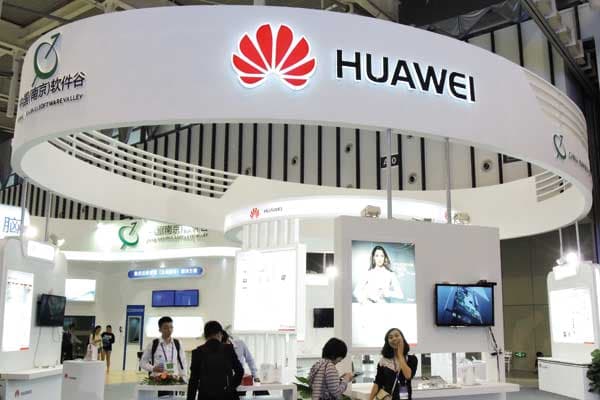
In November 2019, U.S. FCC cut off government funding for equipment from the Chinese companies Huawei and ZTE due to security concerns. The Commission also requested the government to assign subsidies to the American companies that will replace any equipment from Chinese firms that they already have in place.

“The FCC voted unanimously Friday to bar U.S. telecommunications providers from using government subsidies to buy equipment from Huawei or ZTE. The FCC’s order mostly affects small, rural companies, as larger U.S. carriers do not use equipment from those Chinese companies.” reads the post published by the Associated Press.

At the end of October, the Federal Communications Commission proposed cutting off funds for Chinese telecom equipment from Huawei and ZTE. The FCC announced that he was going to evaluate the impact of the replacement of the Chinese equipment with the ones of other vendors.

On March 2021, President Donald Trump signed into law a bill that provides $1 billion to help small telecom providers replace equipment made by Huawei and ZTE.

Now the Federal Communications Commission said that the providers requested a budget that is $3.7 billion over the initial allocated one.

The FCC received more than 181 applications from telecom providers that have developed plans to replace Chinese gear, FCC Chairwoman Jessica Rosenworcel said.

Follow me on Twitter: @securityaffairs and Facebook

[adrotate banner=”9″][adrotate banner=”12″]

Pierluigi Paganini

(SecurityAffairs – hacking, telecom providers)

[adrotate banner=”5″]

[adrotate banner=”13″]