
Security Affairs
Two Barracuda ESG Flaws Could Be Combined for Full Root Access; Patches Released|Cyberattack Hits French Blood Banks as Hackers Target Refrigeration Systems Across Europe|CVE-2026-58868: Critical Android Bug Could Let Attackers Run Remote Code|U.S. CISA adds WordPress flaw to its Known Exploited Vulnerabilities catalog|Binance Hack: How Fake Job Interviews and AI Abuse Led to a $6.34 Billion Attack|Synology Warns of Ransomware Attacks Targeting NAS Devices Running Outdated DSM Versions|Inside XCPE, the botnet that turned 1.3M set-top boxes into proxy servers|NIS2 Makes Board Members Personally Liable for Access Control Decisions|Apple’s spyware notifications reach the Bundestag: what the BSI says to do now|VOLTA, the infostealer that asks an AI which victims are worth the effort|New wave of fridge cyberattacks hits European supermarkets, this time in Belgium, Luxembourg, Sweden and Estonia|Hackers Send Fake Nuclear Threat Alerts to Ukrainian and Russian Citizens|Two Barracuda ESG Flaws Could Be Combined for Full Root Access; Patches Released|Cyberattack Hits French Blood Banks as Hackers Target Refrigeration Systems Across Europe|CVE-2026-58868: Critical Android Bug Could Let Attackers Run Remote Code|U.S. CISA adds WordPress flaw to its Known Exploited Vulnerabilities catalog|Binance Hack: How Fake Job Interviews and AI Abuse Led to a $6.34 Billion Attack|Synology Warns of Ransomware Attacks Targeting NAS Devices Running Outdated DSM Versions|Inside XCPE, the botnet that turned 1.3M set-top boxes into proxy servers|NIS2 Makes Board Members Personally Liable for Access Control Decisions|Apple’s spyware notifications reach the Bundestag: what the BSI says to do now|VOLTA, the infostealer that asks an AI which victims are worth the effort|New wave of fridge cyberattacks hits European supermarkets, this time in Belgium, Luxembourg, Sweden and Estonia|Hackers Send Fake Nuclear Threat Alerts to Ukrainian and Russian Citizens|
Advertisement

Ad Placeholder

Full Width × 90

Breaking News

Data of 106 million visitors to Thailand leaked online

Security researchers discovered an unsecured database exposed online containing the personal information of millions of visitors to Thailand. The popular cybersecurity research Bob Diachenko discovered his personal data online stored on an unprotected Elasticsearch database containing the personal details of more than 106 million visitors to Thailand. The expert discovered the unsecured database on August […]

Thailand data leak

Security researchers discovered an unsecured database exposed online containing the personal information of millions of visitors to Thailand.

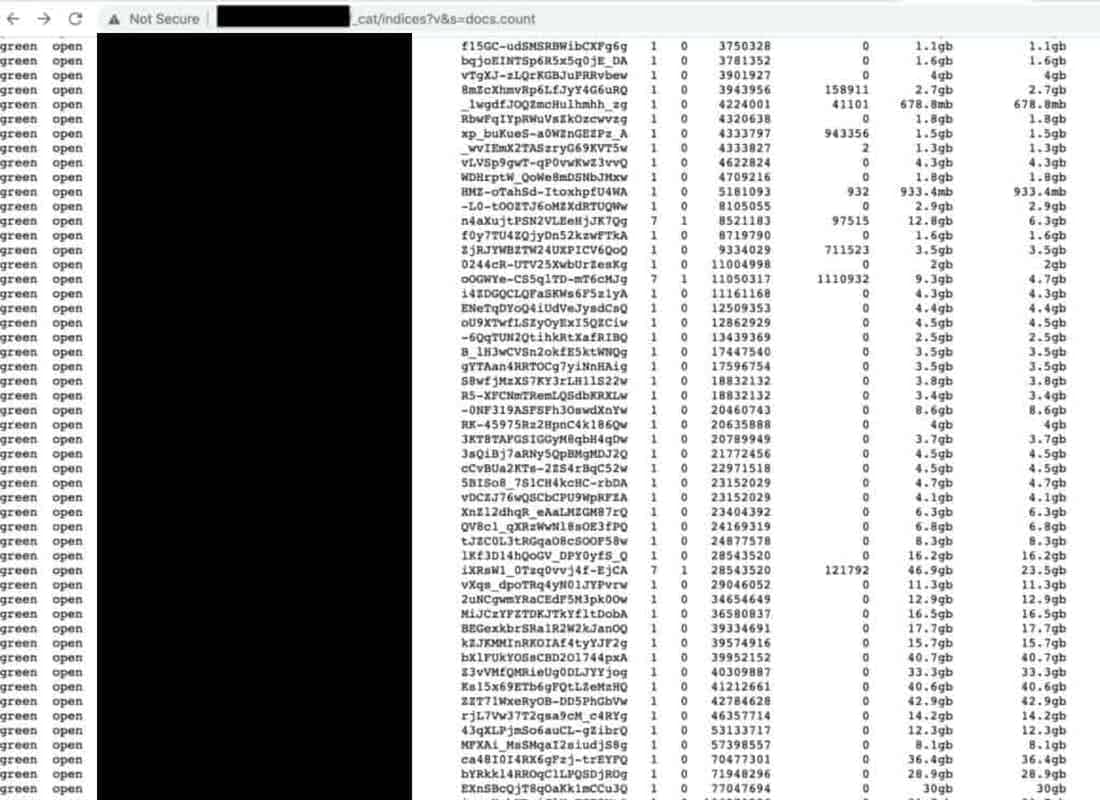
The popular cybersecurity research Bob Diachenko discovered his personal data online stored on an unprotected Elasticsearch database containing the personal details of more than 106 million visitors to Thailand.

The expert discovered the unsecured database on August 22, 2021, and immediately notified the Thai authorities, he noticed that some of the data stored in the archive date back ten years.

While the IP address of the database is still public, the database was taken offline and has been replaced with a honeypot.

The database was 200GB in size and contained several assets, including more than 106 million records.

Exposed records include full names, arrival dates, gender, residency status, passport numbers, visa information, and Thai arrival card numbers. 

Thailand data leak

“Diachenko surmises that any foreigner who traveled to Thailand in the last decade might have had their information exposed in the incident. He even confirmed the database contained his own name and entries to Thailand.” reads the post published by Comparitech.

The good news is that no financial data was contained in the database.

It is not possible to determine how low the archive had been exposed before it was discovered, but Thai authorities told Comparitech that the data was not accessed by any unauthorized parties. 

Below the timeline for the discovery of database:

  • August 20, 2021- The database was indexed by search engine Censys.
  • August 22, 2021 – Diachenko discovered the unprotected data and immediately took steps to verify and alert the owner in accordance with our responsible disclosure policy.
  • August 23, 2021 – Thai authorities were quick to acknowledg the incident and swiftly secured the data.

Follow me on Twitter: @securityaffairs and Facebook

[adrotate banner=”9″][adrotate banner=”12″]

Pierluigi Paganini

(SecurityAffairs – hacking, Thailand)

[adrotate banner=”5″]

[adrotate banner=”13″]


