Ukraine’s NCCC banned the Telegram app for government agencies, military, and critical infrastructure, due to national security concerns.
Ukraine’s National Coordination Centre for Cybersecurity (NCCC) has banned the Telegram messaging app on government agencies, military, and critical infrastructure, due to national security concerns. The ban does not affect Ukrainian citizens.
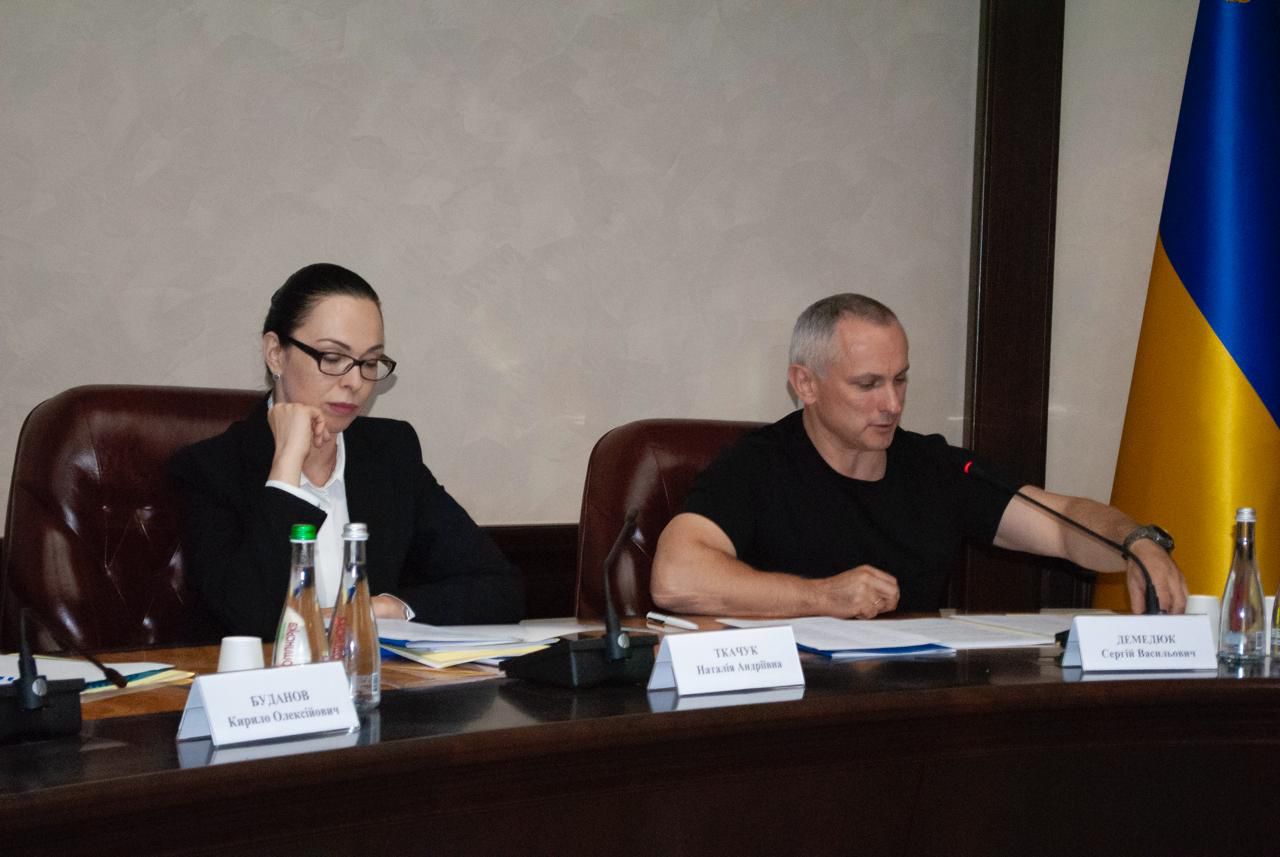
On September 19, Ukraine announced the ban on Telegram during a meeting focused on threats to national security posed by the use of the Telegram messenger, especially during the ongoing conflict between Russia and Ukraine.
Kyrylo Budanov, the chief of Ukraine’s Defence Intelligence, warned that Russian intelligence could spy on Ukrainian entities potentially accessing Telegram users’ data, including deleted messages.
“The Chief of the Defence Intelligence of Ukraine Kyrylo Budanov provided substantiated evidence that russian special services have access to personal correspondence of Telegram users, even deleted messages, as well as their personal data.” reads the announcement published by the National Security and Defense Council of Ukraine.
“I have always stood for freedom of speech, but the issue of Telegram is not a matter of freedom of speech, it is a matter of national security,” said Budanov.
Representatives of the Security Service of Ukraine and the General Staff of the Armed Forces of Ukraine warned that Russia-linked threat actors are actively using Telegram for cyberattacks, spreading phishing and malware, geolocating users, adjusting missile strikes, etc.
“In order to minimise these threats, it was decided to ban the installation and use of Telegram on the official devices of government officials, military personnel, employees of the security and defence sector, as well as enterprises operating critical infrastructure.” continues the announcement. “The only exceptions will be those for whom the use of this messenger is part of their official duties.”
Despite the ban on military and government devices, Ukrainian users rely heavily on Telegram to communicate and receive news on ongoing conflicts.
At the end of August, French prosecutors formally charged Telegram CEO Pavel Durov with facilitating various criminal activities on the platform, including the spread of child sexual abuse material (CSAM), enabling organized crime, illicit transactions, drug trafficking, and fraud. The authorities announced a formal investigation of Durov following his arrest.
Durov was indicted and French authorities released under judicial supervision with a ban on leaving the French territory.
Follow me on Twitter: @securityaffairs and Facebook and Mastodon
(SecurityAffairs – hacking, Ukraine)