
Security Affairs
Two Barracuda ESG Flaws Could Be Combined for Full Root Access; Patches Released|Cyberattack Hits French Blood Banks as Hackers Target Refrigeration Systems Across Europe|CVE-2026-58868: Critical Android Bug Could Let Attackers Run Remote Code|U.S. CISA adds WordPress flaw to its Known Exploited Vulnerabilities catalog|Binance Hack: How Fake Job Interviews and AI Abuse Led to a $6.34 Billion Attack|Synology Warns of Ransomware Attacks Targeting NAS Devices Running Outdated DSM Versions|Inside XCPE, the botnet that turned 1.3M set-top boxes into proxy servers|NIS2 Makes Board Members Personally Liable for Access Control Decisions|Apple’s spyware notifications reach the Bundestag: what the BSI says to do now|VOLTA, the infostealer that asks an AI which victims are worth the effort|New wave of fridge cyberattacks hits European supermarkets, this time in Belgium, Luxembourg, Sweden and Estonia|Hackers Send Fake Nuclear Threat Alerts to Ukrainian and Russian Citizens|Two Barracuda ESG Flaws Could Be Combined for Full Root Access; Patches Released|Cyberattack Hits French Blood Banks as Hackers Target Refrigeration Systems Across Europe|CVE-2026-58868: Critical Android Bug Could Let Attackers Run Remote Code|U.S. CISA adds WordPress flaw to its Known Exploited Vulnerabilities catalog|Binance Hack: How Fake Job Interviews and AI Abuse Led to a $6.34 Billion Attack|Synology Warns of Ransomware Attacks Targeting NAS Devices Running Outdated DSM Versions|Inside XCPE, the botnet that turned 1.3M set-top boxes into proxy servers|NIS2 Makes Board Members Personally Liable for Access Control Decisions|Apple’s spyware notifications reach the Bundestag: what the BSI says to do now|VOLTA, the infostealer that asks an AI which victims are worth the effort|New wave of fridge cyberattacks hits European supermarkets, this time in Belgium, Luxembourg, Sweden and Estonia|Hackers Send Fake Nuclear Threat Alerts to Ukrainian and Russian Citizens|
Advertisement

Ad Placeholder

Full Width × 90

Breaking News

Microsoft released Windows Updates that include Intel’s Spectre microcode patches

Microsoft announced this week the release of the microcode updates to address the Spectre vulnerability. Last week Intel released microcode to address the CVE-2017-5715Spectre vulnerability for many of its chips, let’s this time the security updates will not cause further problems. The Spectre attack allows user-mode applications to extract information from other processes running on the same system. It can also […]

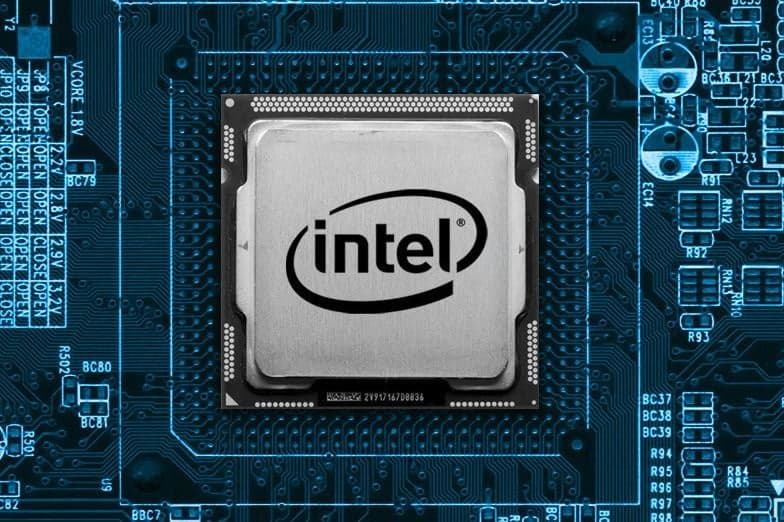
Intel CPU side-channel attack

Last week Intel released microcode to address the CVE-2017-5715Spectre vulnerability for many of its chips, let’s this time the security updates will not cause further problems.

The Spectre attack allows user-mode applications to extract information from other processes running on the same system. It can also be exploited to extract information from its own process via code, for example, a malicious JavaScript can be used to extract login cookies for other sites from the browser’s memory.

The Spectre attack breaks the isolation between different applications, allowing to leak information from the kernel to user programs, as well as from virtualization hypervisors to guest systems.

Problems such as frequent reboots were related to the fix for the CVE-2017-5715 Spectre flaw (Spectre Variant 2) and affected almost any platform, including systems running on Broadwell Haswell CPUs, as well as Ivy Bridge-, Sandy Bridge-, Skylake-, and Kaby Lake-based platforms.

“This update is a standalone update available through the Microsoft Update Catalog and targeted for Windows 10 version 1709 (Fall Creators Update) & Windows Server version 1709 (Server Core).” read the advisory published by Microsoft. “This update also includes Intel microcode updates that were already released for these Operating Systems at the time of Release To Manufacturing (RTM). We will offer additional microcode updates from Intel thru this KB Article for these Operating Systems as they become available to Microsoft.”

Spectre patches

Microsoft confirmed that almost any Window devices now have compatible security products installed and all problems with patches have been fixed.

“We have also been working closely with our anti-virus (AV) partners on compatibility with Windows updates, resulting in the vast majority of Windows devices now having compatible AV software installed.” wrote John Cable, Director of Program Management, Windows Servicing and Delivery


