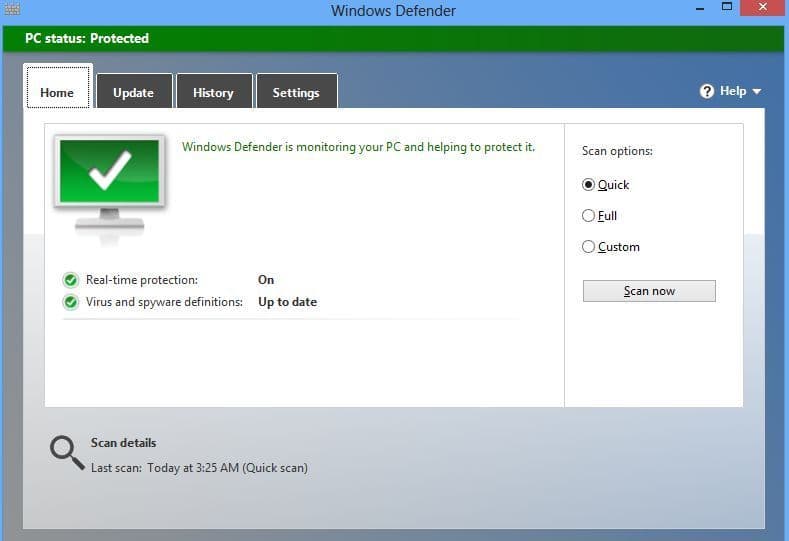
Microsoft declared war to Ad injection and “man-in-the-middle” techniques implemented by both malware and legitimate programs including adware.
Superfish adware was found already installed on new Lenovo portable PCs (laptops) earlier this year. The malware opens users to MITM (man in the middle) assaults in view of the way it infuses ads into web browsers.
It accompanies a self-marked root cert that produces certs for HTTPS associations, supplanting existing certs with its own particular all the while. Assailants (attackers) could exploit this situation—particularly after the secret word (password) for the certification that traveled with Superfish was found—to listen in on encoded correspondence.

Microsoft this week said it has upgraded its principles around adware, and now such projects that fabricate advertisements in the program are required to just utilize the program’s “upheld extensibility model for establishment, execution, crippling and evacuation.” Microsoft said in the beginning of March 2016 it will identify and start uprooting programs that could open the door to cyber attacks.
“The decision and control fit in with the general users online, and we are resolved to ensure that,” composed Barak Shein and Michael Johnson of Microsoft’s Malware Protection Center.
Lenovo immediately fixed the first Superfish issue and presently, browser creators, for example, Mozilla expelled the root cert from Firefox’s trusted root store.
Superfish’s capacity to perform SSL interference as a substitute was positively troubling conduct from an evidently trusted item, one that was all of a sudden opening the entryway to man-in-the-center assaults, as well as the control of DNS settings and other system layer assaults. More awful yet was that Superfish-like programming would not trigger notices about man-in-the-center assaults.
“These methods catch interchanges between the Internet and the PC to infuse notices and advancements into website pages from outside, without the control of the program,” Microsoft said. “Our expectation is to keep the client in control of their perusing knowledge and these systems lessen that control.”
Written by: Ali Qamar, Founder/Chief Editor at SecurityGladiators.com
Author Bio:
Ali Qamar is an Internet security research enthusiast who enjoys “deep” research to dig out modern discoveries in the security industry. He is the founder and chief editor at Security Gladiators, an ultimate source for cyber security. To be frank and honest, Ali started working online as a freelancer and still shares the knowledge for a living. He is passionate about sharing the knowledge with people, and always try to give only the best. Follow Ali on Twitter @AliQammar57
(Security Affairs – Microsoft Windows Defender, adware)